

You might notice heartburn and want something gentle. Calcium citrate gives you natural relief for GERD. It helps neutralize stomach acid without harsh side effects. You can absorb it easily, even if you take acid-reducing medicine. Many people find it a safe choice when looking for non-drug solutions.
How Calcium Citrate Works
Acid Neutralization
You might wonder how calcium citrate helps calm your heartburn. When you take this calcium supplement, it works fast to neutralize the acid in your stomach. This action can soothe the burning feeling you get with GERD. You do not need to worry about harsh chemicals or strong medicines. Calcium citrate acts gently, making it a good choice for sensitive stomachs.
Many people notice fewer heartburn episodes after adding calcium citrate to their routine. Here are some facts that show how well it works:
- Calcium-containing antacids, including calcium citrate, can improve the pressure in your lower esophageal sphincter. This helps stop acid from moving up into your esophagus.
- Most users report up to 80% improvement in their heartburn symptoms.
- Pregnant women often struggle with heartburn. Studies show that calcium antacids help many of them feel better.
If you want a natural way to support your digestive comfort, calcium citrate offers a gentle solution.
Esophagus Support
GERD can make your esophagus feel irritated. You may notice pain or discomfort after eating. Calcium citrate does more than just neutralize acid. It helps your esophagus work better by supporting the lower esophageal sphincter (LES). This muscle acts like a gate, keeping stomach acid where it belongs.
When you use calcium citrate, you help your LES stay strong. This means less acid escapes into your esophagus. You get relief from burning and discomfort. You also protect your esophagus from damage over time.
One big advantage of calcium citrate is how your body absorbs it. You do not need strong stomach acid for absorption. Even if you take acid-reducing medicine, your body can still use calcium citrate. Older adults and people with low stomach acid can benefit from this type of calcium intake. Research shows that soluble calcium sources like calcium citrate work well for people with digestive issues, including those with atrophic gastritis.
If you want to boost your calcium intake and support your digestive health, calcium citrate makes it easy. You get the benefits without worrying about absorption problems.
Why Choose Calcium Citrate
Absorption Benefits
You want your calcium supplement to work well, no matter what. Calcium citrate stands out because your body absorbs it easily. You do not need a lot of stomach acid for this type of calcium intake. This makes it a great choice if you take heartburn medicine or have low stomach acid.
Let’s look at how calcium citrate compares to calcium carbonate:
- Calcium citrate is a soluble salt. Your body can absorb it even if your stomach is not very acidic.
- You can take calcium citrate with or without food. It does not matter if you just ate or not.
- Calcium carbonate needs stomach acid to break down. You get better absorption if you take it with meals.
- If you use proton pump inhibitors (PPIs) or H2 blockers, calcium citrate works better for you. These medicines lower stomach acid, which makes it harder for your body to use calcium carbonate.
Here’s a quick table to show how calcium citrate interacts with common GERD medications:
| Supplement Type | Works Well with PPIs/H2 Blockers? | Needs Stomach Acid? | Take with Food? |
|---|---|---|---|
| Calcium Citrate | Yes | No | Optional |
| Calcium Carbonate | No | Yes | Yes |
If you want to make sure your calcium intake counts, calcium citrate gives you peace of mind. You do not have to worry about when or how you take it. Your body gets the benefit every time.
Gentleness for GERD
You might worry about stomach upset when you take supplements. Calcium citrate is gentle on your stomach. Many people with GERD find it easy to tolerate. You do not have to deal with bloating, gas, or constipation as often as with other forms.
Here are some reasons why calcium citrate is a better choice for sensitive stomachs:
- Calcium citrate rarely causes digestive issues.
- Calcium carbonate can lead to constipation, bloating, and gas.
- Calcium citrate does not neutralize stomach acid as strongly, so it is less likely to upset your digestion.
- Doctors often recommend calcium citrate for people with GERD or other stomach problems.
If you have struggled with other calcium supplements, you may notice a big difference with calcium citrate. You can keep up your calcium intake without the worry of side effects. This makes it easier to stick to your routine and feel your best.
Tip: If you take heartburn medicine or have a sensitive stomach, calcium citrate is often the best choice for your calcium intake. You get the benefits without the discomfort.
Using Calcium Citrate for GERD
Dosage and Timing
You want to get the most out of your calcium supplement for heartburn relief. The best time to take calcium citrate is after meals or at bedtime. Many people find chewable or liquid forms easy to use, especially if swallowing pills is hard. You can take it with or without food, so it fits into your routine.
Here’s a quick guide for dosing:
| Age Group | Recommended Dose | Maximum Dose | Duration of Therapy |
|---|---|---|---|
| 12 years and older | 1000 to 2000 mg orally up to 3 times a day as needed | 7500 mg/day | Up to 2 weeks |
| Adults | 400 mg orally up to 3 times a day as needed | 1200 mg/day | Up to 2 weeks |
You should not go over the maximum dose. Most people notice fewer heartburn episodes and better digestive comfort when they use the right amount. If you need to boost your calcium intake, spread your doses throughout the day.
Safe Use Tips
You want to stay safe while using calcium citrate for heartburn. Most people do well, but some should talk to a doctor first. If you have kidney disease, kidney stones, high calcium blood levels, or a parathyroid gland disorder, check with your healthcare provider before starting.
| Condition | Recommendation |
|---|---|
| Kidney disease | Consult healthcare provider |
| Kidney stones | Consult healthcare provider |
| High calcium blood levels | Consult healthcare provider |
| Parathyroid gland disorder | Consult healthcare provider |
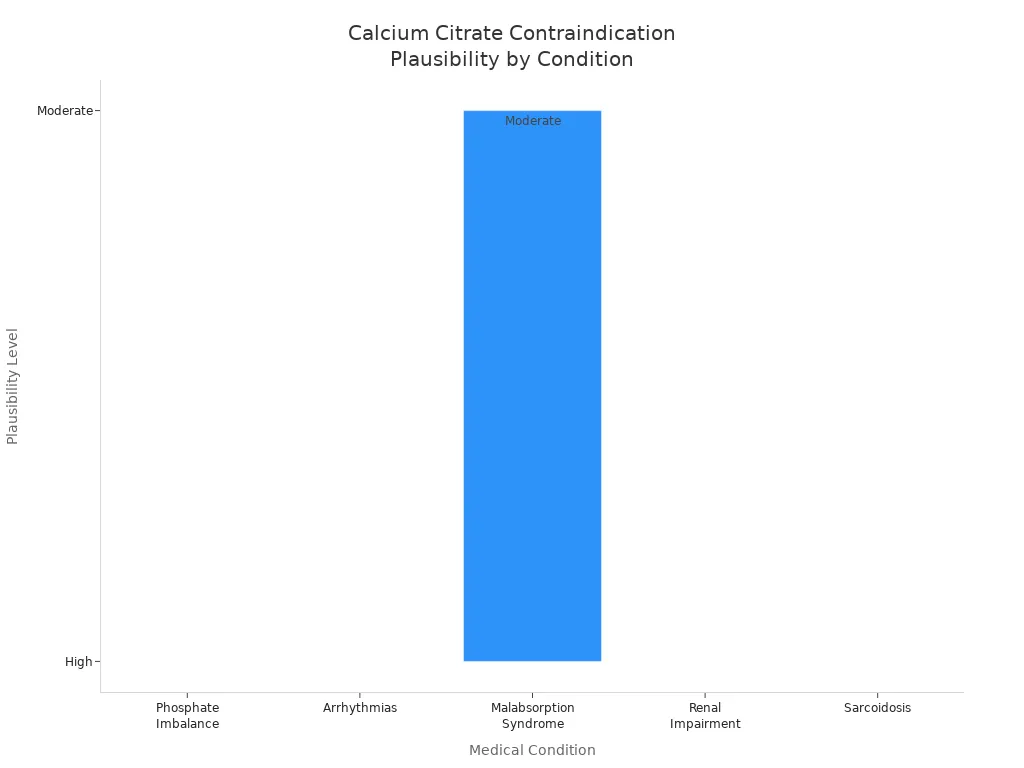
Some health problems make calcium citrate risky. These include phosphate imbalance, arrhythmias, malabsorption syndrome, renal impairment, and sarcoidosis. The chart below shows which conditions need extra care:
Most people only notice mild side effects, like gas or constipation, but these are rare. If you feel unwell or have questions about your calcium intake, talk to your doctor. You can enjoy better digestive health and less heartburn by using calcium citrate the right way.
You get real relief from GERD with calcium citrate. Check out these natural benefits:
| Benefit | Description |
|---|---|
| Tightens the LES | Helps keep stomach acid down, easing heartburn. |
| High solubility | Your body absorbs it easily, even with low stomach acid. |
| Mildly acidic | Works gently to manage reflux symptoms. |
Calcium citrate works well if you take acid-reducing medicine. You can trust it for long-term use, especially if you use PPIs or need more calcium as you age.
- Doctors suggest calcium citrate for people on PPIs.
- Postmenopausal women on PPIs often need extra calcium citrate.
Tip: Always talk to your healthcare provider before starting any new supplement. Calcium citrate gives you a gentle, effective way to manage GERD and support your health.
FAQ
Can I take calcium citrate every day for GERD?
Yes, you can take it daily. Many people use it for long-term relief. You should talk to your doctor if you have health concerns.
Does calcium citrate help with other health issues?
You get more than heartburn relief. Calcium citrate for bone health is popular. It supports strong bones and helps prevent osteoporosis.
What form of calcium citrate works best for GERD?
You can try chewable tablets or liquid. These forms work fast and are easy to swallow. Pick what feels best for you.