
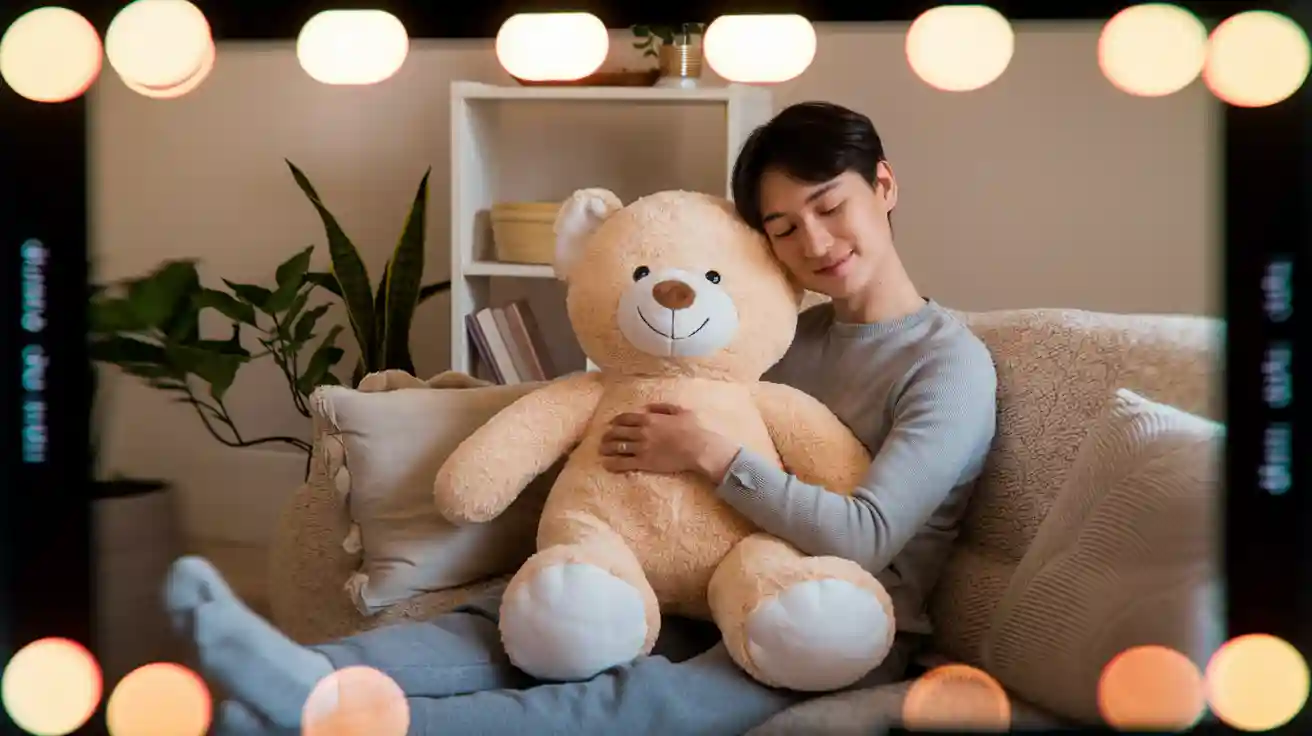
You might remember the comfort of hugging a favorite stuffed animal when you felt scared or lonely. Therapy stuffed animals do more than offer a soft touch—they bring real emotional support to people of all ages.
- They help you feel grounded during stressful times and provide a sense of security with their familiar textures and smells.
- These cuddly friends can even help you express tough feelings, like sadness or anger, in a safe way.
- In hospitals, stuffed animals often ease anxiety, minimize pain, and make medical visits less frightening for children.
Researchers have found that this kind of comfort can actually lower stress and boost your mood. The Healing Power of Therapy goes beyond childhood memories, bringing warmth and reassurance whenever you need it most.
Healing Power of Therapy Stuffed Animals
Comfort and Security
When you hold a therapy stuffed animal, you feel a wave of comfort wash over you. These soft companions do more than just sit on your bed or shelf. They give you a sense of security, especially when life feels overwhelming. You might notice that hugging your favorite plush friend makes your worries seem smaller. This is not just in your head—many people experience the same thing.
- Therapy stuffed animals stay by your side during tough times. They act as a constant companion, always ready to listen.
- The soft touch of a stuffed animal can calm your nerves. You might find yourself feeling less anxious after a few minutes of cuddling.
- These plush friends help you build an emotional bond. This bond offers reassurance, making you feel safe even when you are alone.
- For children, therapy stuffed animals work as transitional objects. They help kids move from needing their parents all the time to feeling brave on their own.
- When you hold a stuffed animal, you can express your feelings more easily. You might talk to it or just squeeze it tight when you feel sad or scared.
You are not alone if you turn to a stuffed animal for comfort. Many children and adults do the same. In hospitals, nurses often give stuffed animals to kids who feel scared or hurt. This simple act can make a hospital room feel less frightening. The healing power of therapy stuffed animals shines brightest in these moments, offering comfort and security when you need it most.
Stuffed animals also help you learn how to cope with hard feelings. You might use your plush friend to practice self-soothing. Over time, you discover new ways to calm yourself down. This sense of security helps you face challenges with more confidence.
Tip: If you ever feel anxious or lonely, try holding your therapy stuffed animal close. You might be surprised by how much better you feel.
Oxytocin and Stress Relief
You may wonder why hugging a stuffed animal feels so good. The answer lies in your brain. When you cuddle something soft, your body can release a hormone called oxytocin. This hormone is sometimes called the “cuddle chemical.” It helps you feel calm and connected.
While studies show that real pets, like therapy dogs, can trigger a big release of oxytocin, stuffed animals still play a special role. Even though they are not alive, they remind you of safety and love. This feeling can help reduce stress and make your heart beat slower. You might notice your breathing becomes deeper and more relaxed.
- Stuffed animals help activate your parasympathetic nervous system. This system calms your body, lowers your heart rate, and helps you relax.
- When you feel anxious, holding a stuffed animal can make those feelings fade away. You get a sense of security that helps you handle tough moments.
- Many children use stuffed animals to help them sleep. The comfort they provide eases bedtime worries and leads to better rest.
- Through play, stuffed animals let you explore your feelings. You can act out stories or talk about your day, which helps you understand your emotions.
The healing power of therapy stuffed animals is not just for kids. Adults also benefit from this gentle support. If you ever feel left out or lonely, holding a stuffed animal can lift your mood. You might feel more positive and ready to face the world again.
The comfort and security you get from these plush friends can help you heal, both inside and out. Whether you are young or old, the healing power of therapy stuffed animals can make a real difference in your life.
Emotional Support and Mental Health
Emotional Regulation
You might notice that when you hug a stuffed animal, your feelings become easier to handle. Therapy stuffed animals help you process emotions in a safe way. Sometimes, you may not have the words to say how you feel. Holding a plush friend can give you the comfort you need to open up. In therapy, many people use stuffed animals to practice talking about their feelings. You can tell your teddy bear about your day or share your worries. This simple act helps you understand your emotions better.
Tip: If you feel upset or overwhelmed, try squeezing your stuffed animal and taking a few deep breaths. You may find it easier to calm down and think clearly.
Therapists often use stuffed animals in sessions with both children and adults. These soft toys act as “witnesses” during play therapy. You can express sadness, anger, or fear without feeling judged. In expressive arts therapy, you might use your stuffed animal in creative activities. This helps you discover new ways to share your feelings.
Here’s a quick look at what research says about stuffed animals and emotional regulation:
| Study | Findings |
|---|---|
| Montalbo (2023) | Found stuffed animals help with emotional management and coping. |
| Theofanopoulou (2019) | Showed robotic plush toys enhance comfort and relaxation. |
| Dozier & Ayers (2020) | Noted stuffed animals create strong emotional connections. |
| Fortuna et al. (2014) | Children form stronger attachments to stuffed toys than hard toys. |
| Schreier (2020) | Multisensory stuffed toys add to their emotional significance. |
Stuffed animals also play a big role in group therapy. You may see people pass around a plush toy to take turns sharing. This makes it easier for everyone to join in and feel included.
Coping Skills
Life can feel tough sometimes. You might face stress at school, changes at home, or even big feelings like sadness or worry. Therapy stuffed animals give you a simple way to build coping skills. When you hold a stuffed animal, your body can release oxytocin. This hormone helps you feel safe and relaxed. You learn to use your plush friend as a tool for comfort during hard moments.
- Stuffed animals help you relax by lowering stress and anxiety.
- They offer support when you need to talk about difficult topics.
- You can use them to practice deep breathing or mindfulness.
- In grief counseling, memory bears help people cope with loss and sadness.
Some studies show that holding a teddy bear can even reduce fear and boost self-esteem. Weighted stuffed animals work like weighted blankets, giving deep pressure that calms your mind. Students who use breathing cushions or soft toys before exams often feel less anxious and more focused.
In group therapy, stuffed animals help everyone feel less alone. Here’s a table showing how they make a difference:
| Benefit | Description |
|---|---|
| Eases loneliness | Gives you company and comfort, so you feel less isolated. |
| Reduces stress | Hugging a stuffed animal lowers stress and helps you relax. |
| Helps with mental illnesses | Supports people with depression or anxiety, building secure attachments. |
You can use these plush friends at home, in therapy, or with a group. They help you practice new ways to handle stress and build healthy habits for your mental well-being.
Therapy for All Ages

Children and Attachment
You probably remember hugging your favorite stuffed animal as a child. That soft friend did more than just sit on your bed. Stuffed animals act as “transitional objects.” They help you feel safe when you start sleeping alone or spend time away from your parents. Many children in the U.S. and U.K.—about 60-70%—have a special toy like this. The bond with these toys often peaks around age three, but it can last much longer.
- Stuffed animals give comfort during separation anxiety.
- They help you move from needing your parents all the time to feeling brave on your own.
- Many people keep their childhood plush friends into adulthood.
Teddy bears and other plush toys also help you handle stress. When you feel left out or lonely, hugging your stuffed animal can make you feel better. Some kids even believe their toys have feelings, showing just how deep this connection goes.
Adults and Group Support
You might think stuffed animals are just for kids, but adults find comfort in them too. In group therapy or support groups, a plush friend can help you feel grounded. When you feel anxious or have trouble sleeping, holding a stuffed animal can calm your nerves. These soft companions never judge you. They offer steady support, especially during tough times.
- Stuffed animals help with stress relief and insomnia.
- They give you a sense of emotional continuity.
- For some adults, especially those with certain mental health conditions, plush toys can be a meaningful source of comfort.
Tip: If you ever feel overwhelmed in a group setting, try holding a small stuffed animal. It can help you feel more secure and ready to share.
Seniors and Companionship
As you get older, you might find yourself missing the company of loved ones. Therapy stuffed animals can fill that gap. They act as lifelike companions, giving you a sense of purpose and comfort. Holding or petting a stuffed animal can lower your stress and make you feel happier. These plush friends often bring back joyful memories from your past, making you feel more at home.
Caregivers sometimes introduce stuffed animals as “friends” for seniors. This simple act encourages nurturing and creates chances for connection. You may notice less loneliness and more smiles. Stuffed animals help you feel safe, loved, and connected—no matter your age.
Choosing Emotional Support Stuffed Animals
Selection Tips
Picking the right therapy stuffed animal can make a big difference in your comfort and well-being. You want something that feels just right in your arms. Start by thinking about size. Some people like big plush toys they can hug tightly. Others prefer small ones they can carry everywhere. Texture matters too. Soft, fuzzy fabrics often help you relax and feel safe. Weighted stuffed animals give a gentle, calming pressure. This can help lower stress and make you feel more secure.
Tip: Try touching different stuffed animals before you choose one. Notice which texture makes you feel calm.
Design is important. Cute faces and friendly shapes can lift your mood. You might want a stuffed animal that reminds you of a favorite pet or a special memory. If you have sensory needs, look for toys made for sensory comfort. These often have extra-soft fabrics or gentle weights inside.
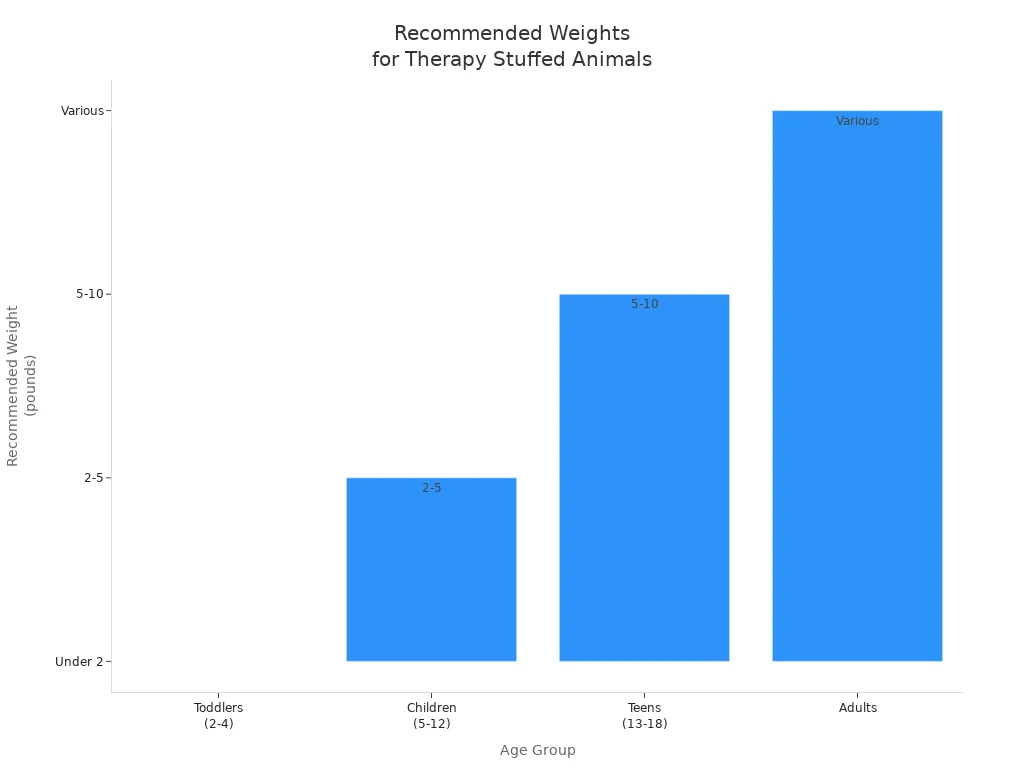
Here’s a quick guide to help you match the right stuffed animal to your age group:
| Age Group | Recommended Weight | Notes |
|---|---|---|
| Toddlers (2-4) | Under 2 pounds | Supervision required for safety |
| Children (5-12) | 2-5 pounds | Helps with anxiety and sensory needs |
| Teens (13-18) | 5-10 pounds | Good for anxiety, ADHD, or autism |
| Adults | Various weights | For relaxation and sensory support |
Matching Needs
You want your stuffed animal to fit your emotional needs. If you feel anxious, a weighted plush toy can help you calm down. For children, picking a toy together helps them feel connected. Some kids need extra-soft textures or special designs to feel safe. Stuffed animals can help you express feelings without fear. They also help you cope with loneliness or tough times.
- Stuffed animals help you manage emotions and practice self-soothing.
- They can remind you of loved ones and help with grief.
- Therapists recommend stuffed animals for people with PTSD, bipolar disorder, or anxiety. These toys help you form secure emotional attachments.
- Engaging with a stuffed animal can foster nurturing skills and improve mental health.
You might notice that holding a plush friend helps you relax and feel less alone. The right stuffed animal can support you through hard days and bring comfort when you need it most.
Improve Mental Health with Stuffed Animals
Daily Stress Relief
You face stress and anxiety every day, whether at school, work, or home. Therapy stuffed animals can help you manage these feelings in simple ways. When you hold a plush toy, you feel gentle pressure that calms your body, almost like getting a hug. This sensation helps you relax and lets your mind slow down. The soft touch of a stuffed animal grounds you, making anxious thoughts fade away.
Many people use therapy stuffed animals as a safe outlet for emotions. You can vent your feelings without fear of judgment. These companions listen quietly, giving you comfort during tough moments. Sometimes, just seeing your stuffed animal reminds you of happy childhood memories. That nostalgia can ease stress and anxiety, helping you feel more connected to your past.
Here are some ways therapy stuffed animals support your daily well-being:
- Weighted plush toys promote relaxation and reduce stress and anxiety.
- The tactile experience of holding a stuffed animal soothes your nerves.
- Soft companions offer emotional support when you need it most.
- Childhood memories linked to these toys foster calmness and connection.
Tip: Keep your favorite stuffed animal nearby during busy days. When stress and anxiety start to build, take a moment to hold it close and breathe deeply.
Sleep and Well-Being
Getting good sleep is important for your mental health and overall well-being. Therapy stuffed animals can make bedtime easier by providing comfort and security. When you cuddle a plush toy, your body releases oxytocin, a hormone that helps you relax and reduces stress and anxiety. This calming effect makes it easier to fall asleep and stay asleep.
Sleeping with a stuffed animal is not just for kids. Adults and seniors also benefit from the emotional support these companions offer. The presence of a soft toy reassures you that you are safe and warm. This sense of security can improve your sleep quality and boost your well-being.
Research shows that therapy stuffed animals help people of all ages:
| Age Group | Findings |
|---|---|
| Children | Stuffed animals can alleviate pain post-surgery, as shown in a study where children with stuffed animals reported lower pain levels. |
| Older Adults | Activities involving stuffed animals increased socialization and cohesion among nursing home residents. |
| Young Adults | Touching a teddy bear after social exclusion led to increased prosocial behavior in participants. |
| Adults with BPD | Intense attachments to stuffed animals were linked to higher scores on measures of borderline pathology. |
Weighted stuffed animals also offer deep pressure therapy, which helps reduce stress and anxiety and creates a comforting sleep environment. You may notice that hugging your plush friend before bed helps you relax and wake up feeling refreshed.
Therapy stuffed animals bring comfort and healing to people of all ages. You can use them to cope with stress, loneliness, or tough emotions.
- They help you build secure attachments and support trauma recovery.
- Many mental health professionals recommend them for self-care and emotional expression.
- Stuffed animals boost your mood and create a sense of connection, even during hard times.
Try adding a therapy stuffed animal to your daily routine. You might find a little friend who helps you feel safe, calm, and cared for.
FAQ
What makes a stuffed animal a “therapy” stuffed animal?
A therapy stuffed animal is designed to give you comfort and emotional support. You might notice weighted features, soft textures, or calming designs. These plush friends help you relax and feel safe during stressful times.
Can adults use therapy stuffed animals?
Absolutely! You can use therapy stuffed animals at any age. Many adults find comfort, stress relief, and better sleep with these plush companions. They help you feel less lonely and more secure.
How do I clean my therapy stuffed animal?
You should check the care label first. Most therapy stuffed animals can be spot-cleaned with mild soap and water. Some are machine washable. Always let your plush friend air dry to keep it soft and safe.
Are weighted stuffed animals safe for children?
Weighted stuffed animals are safe for most children. You should pick the right weight for your child’s age. Supervise young kids during use. If you have questions, ask your pediatrician for advice.
Can therapy stuffed animals help with anxiety?
Yes! Therapy stuffed animals can help you manage anxiety. Holding or hugging your plush friend may calm your nerves, slow your heartbeat, and help you feel more relaxed. Many people use them for stress relief every day.