
Many people ask if Vitamin B12 and tinnitus are connected. Scientists have studied this question extensively. Most reviews indicate that Vitamin B12 and tinnitus do not have a significant relationship for most individuals. Some studies found minor changes, but these were not substantial enough to demonstrate a real effect. If you have a Vitamin B12 deficiency, you might notice some improvement in your tinnitus symptoms, but more research is needed to confirm this.
Tinnitus affects many people:
Tinnitus can feel overwhelming, so you may want to explore new options. Always consult your doctor before starting any supplement, including Vitamin B12.
Can Vitamin B12 Help Tinnitus?
What Science Says
You may wonder if vitamin B12 and tinnitus have a real connection. Scientists have studied this question in many ways. Some studies show that people with tinnitus often have lower levels of vitamin B12 than the general population. Here are some important findings:
- In one study, 42.5% of people with tinnitus had a vitamin B12 deficiency when using a threshold of 250 pg/ml.
- Another study found that 47% of tinnitus patients with noise-induced hearing loss had a deficiency, compared to only 27% of those without tinnitus.
Researchers have also looked at how vitamin B12 might help as a treatment for tinnitus. Clinical trials have tested vitamin B12 supplements in people with chronic tinnitus. In one trial, 40 patients took part. Some received weekly vitamin B12 shots for six weeks, while others got a placebo. About 42.5% of these patients had a deficiency. The group that received vitamin B12 and had a deficiency showed a significant improvement in their tinnitus severity scores. Those without a deficiency or those who took a placebo did not see much change.
You can see the results of some studies in the table below:
| Study Title | Findings | Conclusion |
|---|---|---|
| The Role of Plasma Melatonin and Vitamins C and B12 in the Development of Idiopathic Tinnitus in the Elderly | Higher incidence of vitamin B12 deficiency in tinnitus patients (47%) compared to normal subjects (19%). Improvement in tinnitus symptoms in 12 patients after B12 therapy. | Suggests a significant relationship between B12 deficiency and tinnitus, recommending routine serum level checks for chronic tinnitus patients. |
Not all research agrees. Some randomized controlled trials found that vitamin B12 treatment was not effective for everyone. Minor improvements happened, but they were not always significant. Observational studies sometimes show different results, but these are not as strong as clinical trials.
Note: Most improvements in tinnitus symptoms appear in people who have a vitamin B12 deficiency. If you do not have a deficiency, vitamin B12 may not help as a treatment for tinnitus.
Who Might Benefit
You may benefit from vitamin B12 if you have both tinnitus and a deficiency in this vitamin. Research shows that people with low vitamin B12 levels are more likely to see improvement in their tinnitus symptoms after supplementation. This makes vitamin B12 a possible treatment option for tinnitus in certain cases.
Some groups have a higher risk of vitamin B12 deficiency. These include people with pernicious anemia, those with malabsorption syndromes, people who eat poor diets, and those who take certain medications. Smoking and drinking a lot of coffee can also lower your vitamin B12 levels.
Here is a table of risk factors:
| Risk Factor | Description |
|---|---|
| Pernicious anemia | The immune system reduces the ability to absorb vitamin B12. |
| Malabsorption syndromes | Conditions affecting the stomach or intestines that interfere with absorption. |
| Poor diet | Lack of vitamins in the diet leading to deficiency. |
| Certain medications | Medications like metformin can affect vitamin B12 absorption. |
| Excessive coffee drinking | High coffee consumption may impact vitamin B12 levels. |
| Smoking | Smoking can also contribute to lower vitamin B12 levels. |
If you have tinnitus and belong to one of these groups, you should talk to your doctor about checking your vitamin B12 levels. For people with a deficiency, vitamin B12 and tinnitus may have a stronger link, and supplementation could be a helpful part of your treatment options for tinnitus.
Remember, vitamin B12 is not a universal tinnitus treatment. It works best for those who are deficient. You should always consider other treatment options for tinnitus and speak with a healthcare provider before starting any new supplement.
Understanding Tinnitus and Vitamin B12
What Is Tinnitus?
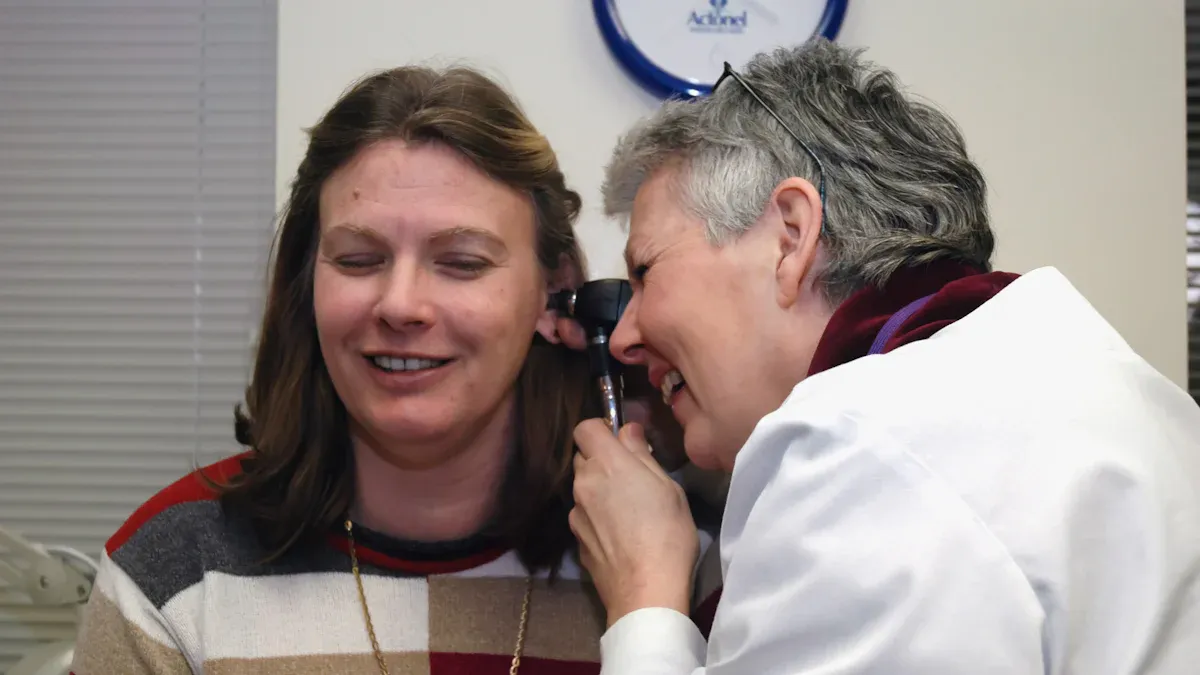
You may notice a sound in your ears that others cannot hear. This is called tinnitus. Many people describe it as ringing in the ears, but you might also hear buzzing, hissing, or clicking. These tinnitus noises can be soft or loud, steady or come and go. Tinnitus affects millions of people and can make it hard to focus or sleep.
Tinnitus often starts after you hear a loud sound or lose some hearing. Sometimes, you may not know the cause. Doctors call this idiopathic tinnitus. Here are some common causes of ringing in the ears:
| Cause Type | Examples |
|---|---|
| Otologic | Noise-induced hearing loss, presbycusis, otosclerosis, otitis, impacted cerumen, Meniere’s disease |
| Neurologic | Head injury, whiplash, multiple sclerosis, vestibular schwannoma, cerebellopontine-angle tumors |
| Infectious | Otitis media, Lyme disease, meningitis, syphilis |
| Medication-related | Salicylates, NSAIDs, aminoglycoside antibiotics, loop diuretics, chemotherapy agents |
| Psychological | Stress, anxiety, depression |
| Somatosensory | Temporomandibular-joint dysfunction, dental disorders |
| Idiopathic | No identifiable cause in about 40% of patients |
Tinnitus can happen for many reasons, but the most common cause is hearing loss from loud sound exposure.
Vitamin B12’s Role in the Body
Vitamin B12 helps your body in many ways. You need it to make DNA and keep your blood healthy. Most importantly, vitamin B12 keeps your nerves working well. It helps build the myelin sheath, which covers and protects nerve cells. Without enough vitamin B12, your nerves can get damaged. This can lead to problems like numbness, weakness, and even changes in how you hear sound.
Vitamin B12 also supports the pathways that carry sound from your ears to your brain. If you do not get enough vitamin B12, you may notice more ringing in the ears or other tinnitus symptoms. Some studies show that a lack of vitamin B12 can cause nerve problems, but not all parts of your hearing may be affected in the same way.
Tip: You can get vitamin B12 from foods like meat, eggs, and dairy, or from supplements if your doctor recommends them.
Nerve Health and Tinnitus
Your nerves play a big part in how you hear sound. When you lose hearing, your brain gets less sound input. This can cause your brain to change, a process called neuroplasticity. Sometimes, these changes lead to ringing in the ears. Over time, tinnitus can become a problem in your brain, not just your ears.
| Evidence Description | Key Findings |
|---|---|
| Deprivation of auditory input activates neuroplasticity | Hearing loss can lead to tinnitus by reducing auditory input to the brain, promoting neuroplastic changes. |
| Neuroplasticity contributes to tinnitus | The central nervous system’s plasticity allows for adaptation, which can lead to the development of tinnitus symptoms. |
| Chronic tinnitus may become independent of ear input | Initially caused by ear abnormalities, chronic tinnitus evolves through neuroplastic changes in the brain. |
Vitamin B12 and tinnitus have a connection because vitamin B12 helps keep your nerves healthy. If your nerves do not work well, you may notice more ringing in the ears or other tinnitus symptoms. Keeping your vitamin B12 levels normal may help protect your nerve health and support better sound processing.
Research on Vitamin B12 and Tinnitus
Studies on Vitamin B12 Deficiency
You might wonder if tinnitus linked to vitamin b12 deficiency is common. Several studies show that people with vitamin b12 deficiency often have more hearing problems. Older adults seem to have a stronger connection between vitamin b12 and tinnitus. When you look at the research, you see that people with low vitamin b12 levels sometimes notice reduced odds of tinnitus after treatment.
Here is a table showing what some studies found:
| Study Year | Participants | Treatment | Results |
|---|---|---|---|
| 2013 | Tinnitus patients with low B12 levels | B12 treatment | Significant improvement in hearing levels |
| 2016 | 40 people with chronic subjective tinnitus | Weekly B12 injections for 6 weeks | Improved tinnitus severity scores in those with B12 deficiency |
These studies suggest that tinnitus and b12 deficiency connection may be important, especially for older adults. If you have vitamin b12 deficiency, you may notice fewer temporary tinnitus symptoms after you start treatment.
Evidence for Treatment for Tinnitus
You may ask if vitamin b12 can treat tinnitus for everyone. The answer is not simple. Most studies show that improvement happens mainly in people who already have vitamin b12 deficiency. If you do not have low levels, taking more vitamin b12 does not always help. Some people with higher intake of vitamin b12 do not see changes in their tinnitus symptoms.
Doctors have not set a recommended dose of vitamin b12 for tinnitus. You should not take large amounts without talking to your doctor. The efficacy of vitamin b12 as a treatment for tinnitus remains unclear for people without a deficiency.
Limitations of Current Research
You need to know that research on vitamin b12 and tinnitus has some limits. Experts point out several problems:
- Incomplete understanding of tinnitus pathophysiology
- Mixed results from various studies
- Lack of established biomarkers and objective outcome measures
These issues make it hard to say if vitamin b12 and tinnitus have a strong link for everyone. More studies are needed to find out who will benefit most from vitamin b12 treatment.
Addressing Vitamin B12 Deficiency

Signs of Vitamin B12 Deficiency
You may not always notice b12 deficiency symptoms right away. Some people feel tired, weak, or dizzy. Others experience numbness, tingling in the hands or feet, or trouble with memory. If you have tinnitus, these symptoms might appear alongside the ringing in your ears. To check for vitamin b12 deficiency, your doctor may order blood tests. These tests look at serum vitamin B12, methylmalonic acid, and homocysteine levels. A serum vitamin B12 level below 150 pg/mL often means you have a deficiency. High methylmalonic acid levels also suggest a problem.
| Criteria | Sensitivity (%) | Specificity |
|---|---|---|
| Decreased serum vitamin B12 (<200 pg/mL) | 95-97 | Uncertain |
| Elevated serum methylmalonic acid | >95 | Uncertain |
You should know that low serum vitamin B12 does not always mean you have a deficiency. Your doctor will use several markers to confirm the diagnosis.
Safe Supplementation
If you need to treat deficiencies in vitamin b12, you have many options. Most people use dietary supplements or vitamin b12 supplements. The recommended dietary allowance for adults is 2.4 micrograms per day. Pregnant women need 2.6 micrograms, and lactating women need 2.8 micrograms daily. There is no upper safe limit for vitamin b12, but you should not take more than you need.
- Common side effects of dietary supplements include nausea, diarrhea, and dizziness.
- Rarely, you may have allergic reactions or tingling in your hands and feet.
- Some studies show that taking more than 25 micrograms per day may increase the risk of bone fractures in postmenopausal women.
- High doses of dietary supplements may worsen kidney function in people with kidney disease.
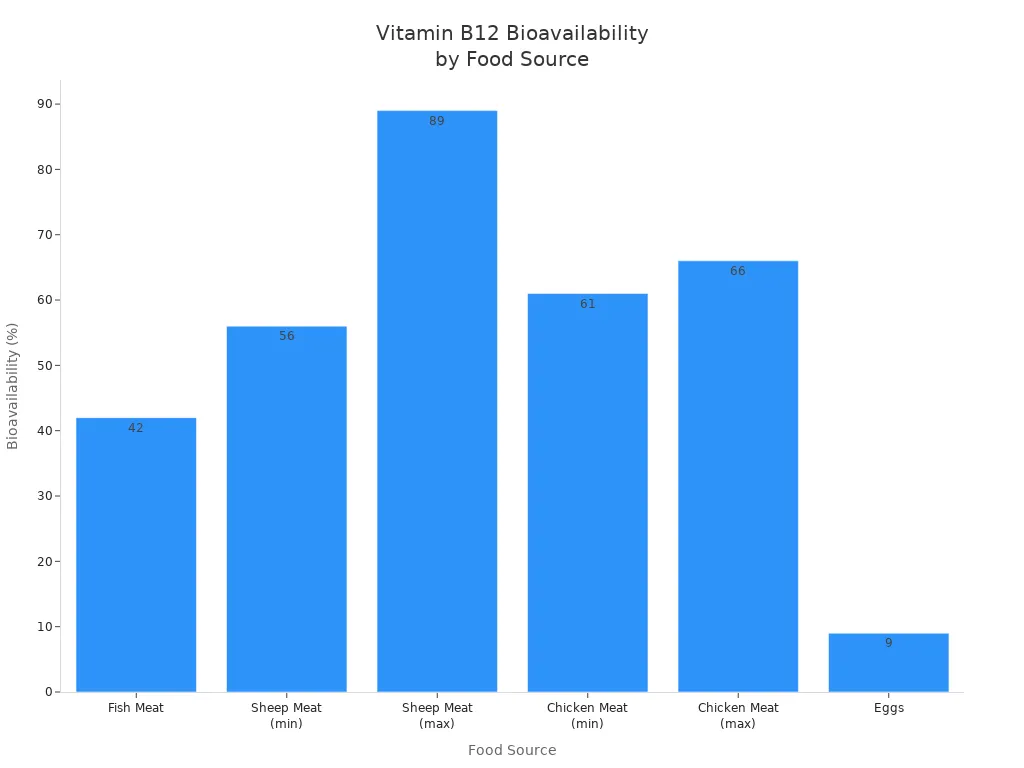
You can get vitamin b12 from food or dietary supplements. Animal products like fish, meat, and chicken have the highest bioavailability. Eggs and fortified cereals also provide vitamin b12, but your body absorbs less from eggs.
| Food Source | Bioavailability (%) |
|---|---|
| Fish Meat | 42 |
| Sheep Meat | 56-89 |
| Chicken Meat | 61-66 |
| Eggs | <9 |
| Fortified Cereals | N/A |
| Dried Green Lavers | N/A |
If you follow a vegetarian or vegan diet, you may need dietary supplements to meet your needs.
Consulting a Healthcare Professional
You should always talk to your doctor before starting dietary supplements or vitamin b12 supplements. Your doctor can help you decide if you need b12 therapy or other treatments for tinnitus. Some groups have a higher risk of vitamin b12 deficiency. Older adults, women, and people from certain ethnic backgrounds may need extra care.
| Population Group | Risk Level |
|---|---|
| Elderly | Highest prevalence in >80 years old |
| Women | 10.87% deficiency among females |
| Specific Ethnic Groups | High prevalence among Latinos, Asians, and Indians due to low meat diets |
| Vegetarians/Vegans | At risk due to low intake of animal products |
If you have tinnitus and belong to one of these groups, ask your doctor about testing for vitamin b12 deficiency. Your doctor can guide you on the right type and amount of dietary supplements. Never start high-dose dietary supplements without medical advice. Safe use of dietary supplements helps you avoid side effects and supports your overall health.
You learned that vitamin b12 may help some people with tinnitus, especially if you have a deficiency. Experts found that patients with low vitamin b12 levels improved after therapy. Systematic reviews show mixed results, but some studies report benefits for those who need supplements.
- Many patients with chronic tinnitus saw improvement after vitamin b12 therapy.
- Supplements work best for people with a deficiency.
- Not everyone will see changes with supplements.
You should check for deficiency and talk to your doctor before using supplements. Make decisions based on science and keep realistic expectations.
FAQ
Can vitamin B12 cure tinnitus?
You cannot cure tinnitus with vitamin B12. Some people with a deficiency may notice improvement. Most people do not see their tinnitus go away after taking vitamin B12.
How do you know if you need vitamin B12 for tinnitus?
You should ask your doctor for a blood test. Low vitamin B12 levels may mean you need supplements. Only take vitamin B12 if your doctor recommends it.
What foods give you vitamin B12?
You can find vitamin B12 in:
- Meat (beef, chicken, fish)
- Eggs
- Dairy products
- Fortified cereals
Is it safe to take vitamin B12 supplements every day?
Vitamin B12 is safe for most people. Your body removes extra B12 in urine. Always follow your doctor’s advice before starting any supplement.
Who should check their vitamin B12 levels if they have tinnitus?
Older adults, vegetarians, vegans, and people with stomach or gut problems should check their vitamin B12 levels. You may need a test if you have symptoms like tiredness or numbness.