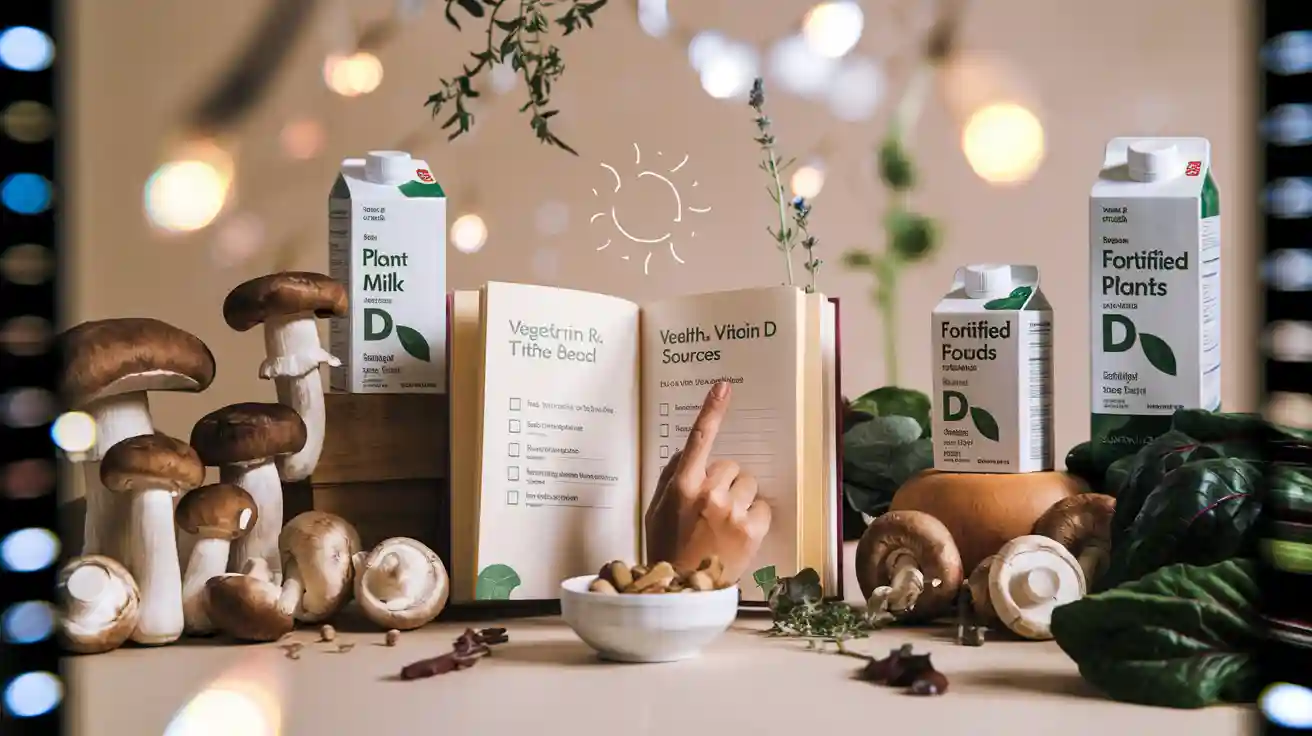
You might wonder if cholecalciferol vegetarian options truly exist. Cholecalciferol vegetarian sources often confuse even the most careful eaters, because most cholecalciferol comes from animal products. You see, cholecalciferol vegetarian supplements can come from lanolin (sheep’s wool) or lichen. Many people think they can get enough vitamin D from food alone, but very few foods naturally contain it.
Myth: It’s Easy to Get Enough Vitamin D Through Food Alone. Getting your vitamin D fix solely through food isn’t impossible, but it can be tricky because few foods contain ample D.
Cholecalciferol vegetarian choices matter because studies show vegans and vegetarians often have lower vitamin D levels than omnivores. You need to read labels to find the right cholecalciferol vegetarian supplement for your needs.
Cholecalciferol Vegetarian Sources
Animal-Based Sources
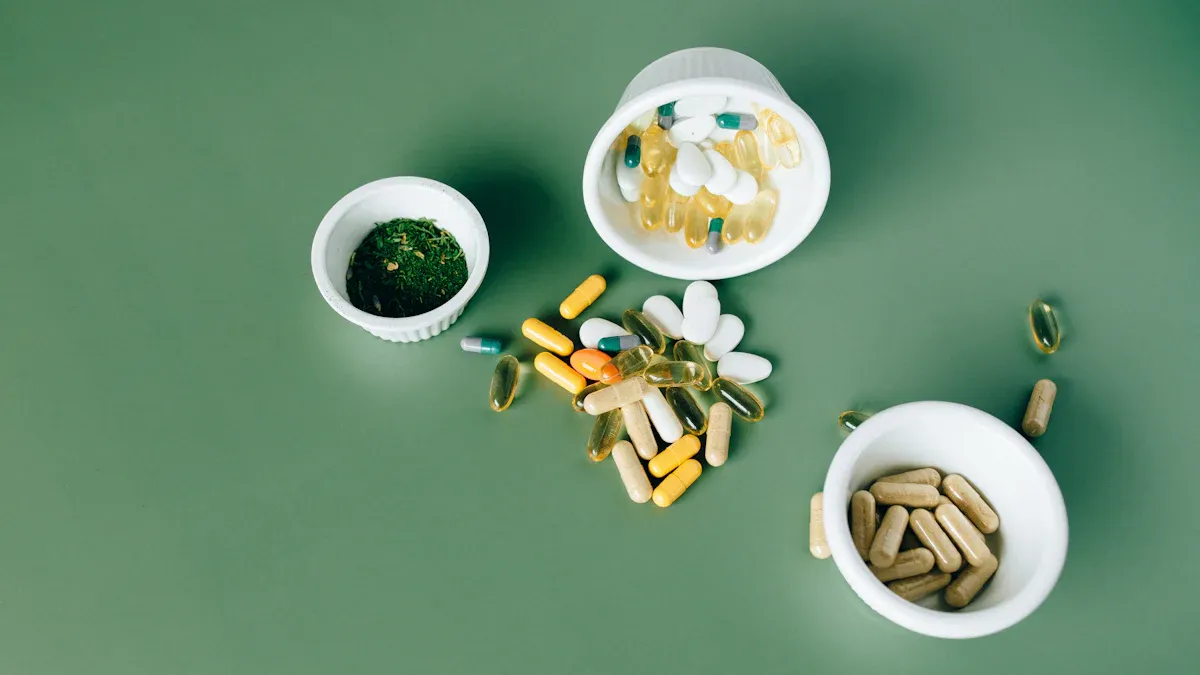
You may find that many vitamin d3 supplements and fortified foods use animal-based sources. These sources of vitamin d include fish and eggs. If you follow a vegetarian or vegan diet, you need to know which foods to avoid. Here are some common animal-based vitamin d food sources:
- Rainbow trout (645 IU per 3 ounces)
- Sockeye salmon (570 IU per serving)
- Sardines (200 IU per can)
- Egg (44 IU per egg)
These vitamin d sources are not suitable for vegans or vegetarians who avoid all animal products. You should always check the ingredient list on vitamin d products to make sure they do not contain animal-derived d3. Many vitamin d food sources in the grocery store, such as fortified milk or cereals, may use animal-based cholecalciferol.
Lichen-Based D3 Suitable for Vegans
Lichen-based d3 is a breakthrough for those who want vitamin d products suitable for vegans and vegetarians. Lichen is a unique plant-like organism that grows on rocks and trees. It does not come from animals, so it is suitable for vegans. Scientific studies show that lichen-based vitamin d3, such as VegD3®, is both effective and pure. In a 2020 study, participants who took lichen-based d3 saw their vitamin d levels rise by an average of 33nmol/L, a 77.3% increase. This proves that lichen-based d3 is a reliable choice for people who need to raise their vitamin d.
- Lichen is a sustainable, plant-based source of vitamin d3.
- It is suitable for vegans and vegetarians.
- Lichen-based d3 was developed to avoid animal-derived sources like lanolin.
- This option is eco-friendly and does not harm the environment.
You can now find lichen-based vitamin d products in many stores and online. The demand for vitamin d3 suitable for vegans is growing, so more companies are making these products likely to be acceptable to vegetarians. Here is a table showing the availability of lichen-based d3:
| Aspect | Details |
|---|---|
| Increasing Availability | The demand for vegan products is driving the availability of lichen-based vitamin d3 supplements. |
| Major Markets | North America and Europe are leading in the availability of these supplements. |
| Expansion into Other Regions | There is a growing presence in Asia Pacific and other regions. |
| E-commerce Growth | Online distribution channels are expanding, enhancing accessibility for consumers. |
If you want vitamin d products suitable for vegans, look for lichen-based d3 on the label. These products are also suitable for vegetarians who want to avoid animal by-products.
Tip: Always check for the words “lichen-based” or “suitable for vegans” on vitamin d3 supplements to make sure you are choosing products likely to be acceptable to vegetarians.
Lanolin-Derived D3 and Vegetarians
Lanolin-derived d3 is one of the most common vitamin d sources in supplements. Lanolin comes from sheep’s wool, so it is an animal by-product. The process to extract cholecalciferol from lanolin involves several steps:
The extraction of cholecalciferol from lanolin involves several chemical transformations, including esterification, dehydrogenation, and saponification to convert lanolin into 7-dehydrocholesterol, followed by photoreaction, crystallization, and concentration to produce cholecalciferol.
Many vegetarians accept lanolin-derived d3 because it does not require killing animals. However, it is not suitable for vegans. Some vegetarians also avoid lanolin because it comes from animals. There are concerns about misleading labels on vitamin d products. Some companies market lanolin-based d3 as suitable for vegetarians, even though some vegetarians do not accept animal by-products. This can cause confusion when you try to choose products likely to be acceptable to vegetarians.
- Lanolin is derived from sheep’s wool, making it an animal by-product.
- It is not accepted by the vegan community and is often rejected by some vegetarians.
- There are documented concerns about lanolin-derived d3 due to its animal origin.
- Misleading labeling by supplement manufacturers has been reported, causing confusion among consumers about whether products are truly vegetarian or vegan.
- Some companies have marketed their products as vegetarian while using lanolin, which is derived from sheep’s wool, leading to further controversy.
When you shop for vitamin d products, always read the label carefully. Look for clear statements about the source of d3. If you want products likely to be acceptable to vegetarians, choose lichen-based d3 or vitamin d2 from fungi. Avoid lanolin-derived d3 if you want vitamin d products suitable for vegans.
You should also consider the environmental impact of your choice. Sourcing cholecalciferol from lanolin involves raising sheep, which uses many resources and has a larger environmental footprint. Lichen, especially reindeer lichen, is a sustainable option. It does not require animal agriculture and can be collected without harming the environment.
Note: If you want vitamin d products suitable for vegans and with a lower environmental impact, lichen-based d3 is the best choice.
Vitamin D2 vs. D3 for Vegetarian and Vegan Diets
D2 from Fungi
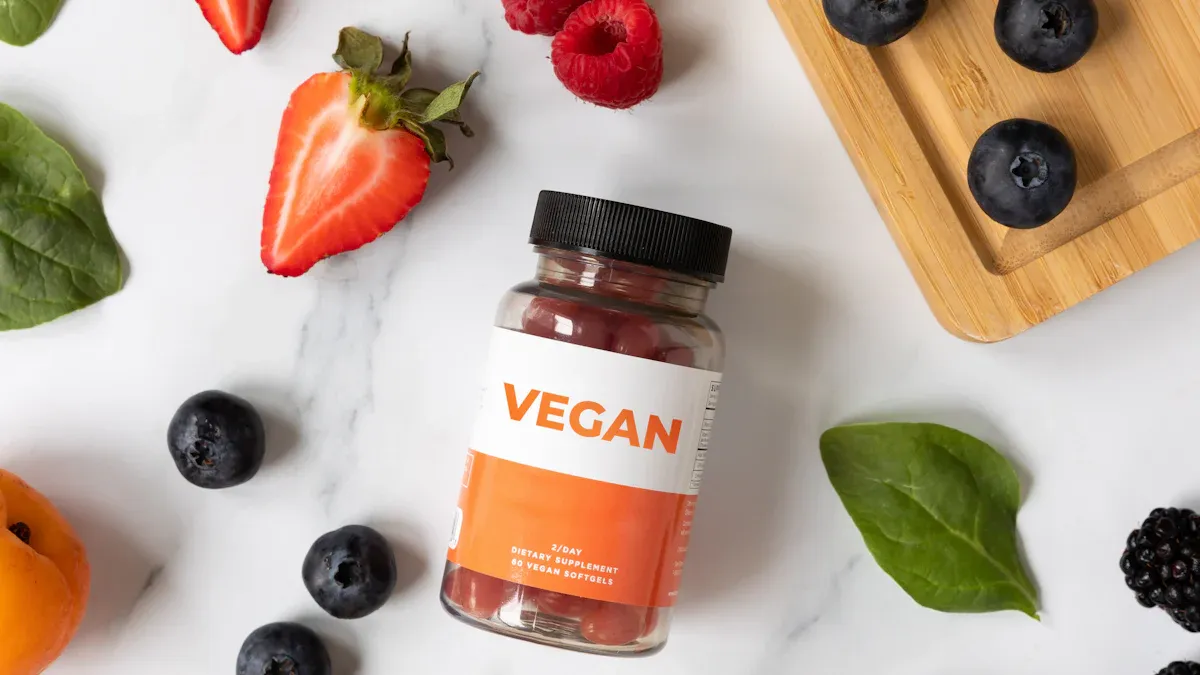
You may see vitamin D2 in many supplements for vegetarian and vegan diets. Manufacturers often use fungi, such as yeast and mushrooms, to produce vitamin D2. Sun-exposed mushrooms can provide a natural source of vitamin D2. You can find vitamin D2 in fortified foods like plant-based milk and cereals. This form of vitamin D is suitable for vegetarians and vegans because it does not come from animals.
Here is a table that shows the differences between vitamin D2 and D3:
| Vitamin D Type | Source | Chemical Structure | Absorption Characteristics |
|---|---|---|---|
| D2 (ergocalciferol) | Fungi (e.g., sun-exposed mushrooms) | Different side chain arrangement from D3 | Suitable for vegetarians and vegans, found in fortified plant-based products |
| D3 (cholecalciferol) | Animal-derived (e.g., oily fish, egg yolk) | Common sterol backbone, different side chain | More efficiently converted to active hormone in the body, primarily from animal sources |
You can see that vitamin D2 from mushrooms has a different chemical structure than cholecalciferol. This difference affects how your body absorbs and uses each type. Vitamin D2 is common in supplements for vegetarian and vegan diets because it is easy to produce from fungi.
D3 Bioavailability for Vegetarians
You may wonder which form of vitamin D works best for vegetarians. Research shows that vitamin D3 raises your vitamin D levels more than vitamin D2. Cholecalciferol is the scientific name for vitamin D3. Your body absorbs and uses cholecalciferol better than vitamin D2. Studies show that vitamin D3 increases serum 25-hydroxyvitamin D levels more effectively. This is important for vegetarians who want to keep their vitamin D levels healthy.
If you follow a vegetarian or vegan diet, you may rely on vitamin D2 from mushrooms or yeast. However, you should know that vitamin D3 from lichen is now available. Lichen-based vitamin D3 gives you the same benefits as animal-based cholecalciferol. You can choose lichen-based d3 if you want a product that is suitable for vegetarians and vegans.
Choosing the Right Form
You need to think about several factors when you choose a vitamin D supplement. The source, effectiveness, and suitability for your diet all matter. Here is a table that can help you compare your options:
| Vitamin Type | Source | Effectiveness | Suitability for Vegans |
|---|---|---|---|
| D2 | Fungi | Less effective | Generally acceptable |
| D3 | Lichen or Lanolin | More effective | Lichen is acceptable; lanolin may not be for vegans |
You can see that vitamin D3 from lichen is both effective and suitable for vegetarian and vegan diets. Lanolin-based d3 is more effective than vitamin D2, but it may not be suitable for vegans. If you want the best results, look for vegan vitamin D3 from lichen or algae.
Supplements for vegetarians and vegans often use vitamin D2 from mushrooms or yeast. Some brands now offer vegan vitamin D3 from lichen. Here is a table that shows the most common forms:
| Form of Vitamin D | Source | Effectiveness |
|---|---|---|
| Vitamin D2 | Plant-based sources | Less effective than D3 |
| Vegan Vitamin D3 | Algae or lichen | Equally effective as non-vegan D3 |
Tip: Always check the label for the source of vitamin D. Choose lichen-based d3 if you want a supplement that is both effective and suitable for vegetarian and vegan diets.
You can find many options in stores and online. If you want to support your health, pick a supplement that matches your dietary needs and gives you the best results.
Finding Suitable Vitamin D for Vegetarians
Label Reading Tips
You need to read labels carefully when you choose vitamin d supplements. Many products list vitamin d3, but not all are suitable for a vegetarian diet. Look for vitamin d3 from lichen if you want a vegan-friendly option. Vitamin d2 often comes from mushrooms and works for vegetarians and vegans. Always check the label for clear information about the sources. Some labels can be misleading, so you should look for trusted brands.
Tip: Choose vitamin d supplements that say “vegan” or “lichen-based” on the label. Avoid lanolin-based vitamin d3 if you want a strict vegetarian or vegan product.
Here are steps to help you find the right supplement:
- Look for vitamin d3 from lichen or vitamin d2 from mushrooms.
- Check for certifications like “vegan” or “vegetarian.”
- Read the ingredient list for hidden animal products.
Studies show that labels sometimes do not match the actual vitamin d content. You should pick brands with third-party testing to make sure you get what you need.
| Study | Findings |
|---|---|
| Dietary Supplement Ingredient Database (DSID) | Many supplements have more or less vitamin d than the label says. |
| BPS Publications | Nutrition panels can be unreliable for vitamin d content. |
Fortified Foods for Vegetarian and Vegan Diets
You can get vitamin d from fortified foods if you follow a vegetarian diet. Plant-based milks, cereals, tofu, and margarine often have added vitamin d. These foods help you reach healthy levels, especially if you do not get enough sunlight.
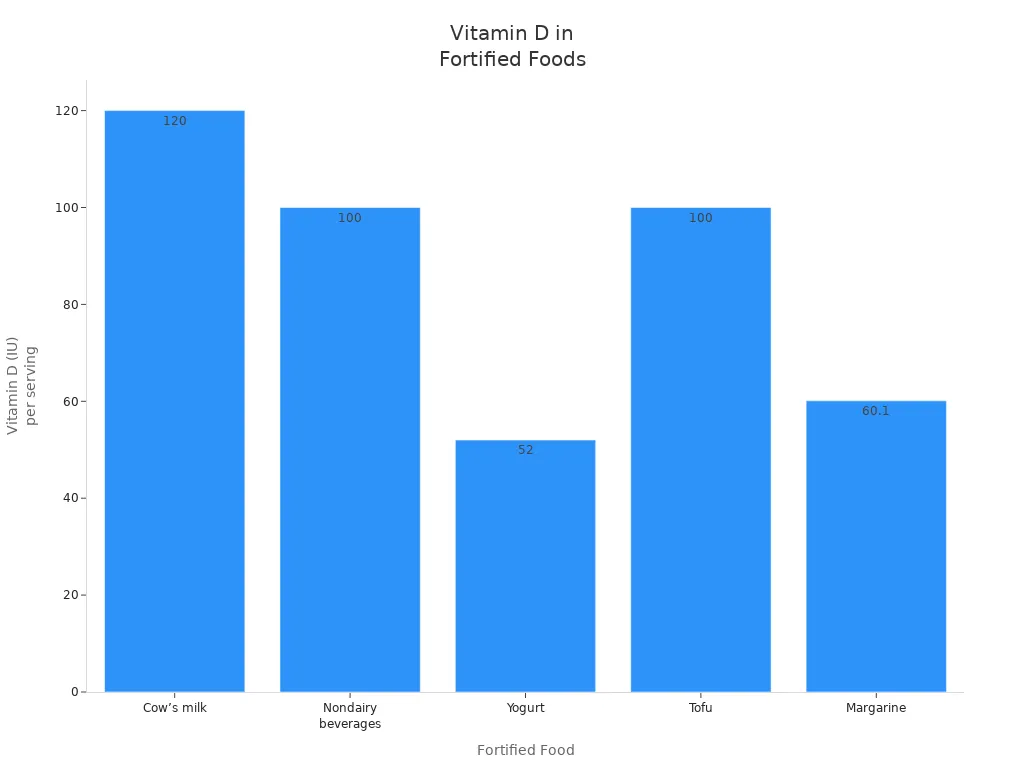
| Fortified Food | Vitamin D Content (per serving) |
|---|---|
| Cow’s milk | Up to 120 IU (3 mcg) per cup |
| Nondairy beverages | Up to 100 IU (2.5 mcg) per cup |
| Yogurt | Around 52 IU (1.3 mcg) per 100g |
| Tofu | Around 100 IU (2.5 mcg) per 100g |
| Margarine | Around 60.1 IU (1.5 mcg) per tbsp |
Many studies show that vegetarians and vegans can keep healthy vitamin d levels with fortified foods and supplements. You should include these vegetarian vitamin d food sources in your daily meals.
Supplement Certifications
Certifications help you trust that vitamin d supplements meet vegetarian standards. Look for labels like “vegan,” “organic,” or “third-party tested.” These certifications show that the product does not contain animal ingredients and meets quality standards.
| Certification Name | Certifying Body | Product Categories | Certification Criteria |
|---|---|---|---|
| American Vegetarian Association | American Vegetarian Association (AVA) | Food, beverages, vitamins, skincare, household products, and more | Vegan label means no animal-derived ingredients or processing. |
| BeVeg Vegan Certification | BeVeg | Food, cosmetics, household items, and more | No animal origin and no animal ingredients used at any stage of production. |
| European Vegetarian Union: V-Label | European Vegetarian Union | Food, cosmetics, fashion, textiles, cleaning agents, and more | Vegan label excludes all animal-derived products and use of animals during cultivation or harvesting. |
Vegan certification helps you know that vitamin d supplements are safe for vegetarians. Most vegetarians prefer products with clear certification.
You should also check for sunlight exposure, as it helps your body make vitamin d naturally. If you do not get enough sunlight, use vegetarian vitamin d food sources and supplements to support your health.
You have many options to meet your vitamin d intake needs on a plant-based diet.
- Lichen-based D3 and D2 from fungi are both suitable for vegans, while lanolin-derived D3 fits vegetarian requirements but not vegan ones.
- Choose fortified foods like plant-based milks or cereals, and seek a natural food source of vitamin d when possible.
- Safe, recommended exposure to sunlight helps lower the risk of low vitamin d and supports bone and muscle health.
- Ask, “How much vitamin d do I need?” The answer depends on your age and requirements, but most adults need 15 mcg daily.
Healthcare professionals can help you avoid vitamin d deficiency and guide you on vitamin d supplementation if needed.
FAQ
Can you get enough vitamin D from sunlight alone?
You can make vitamin D when your skin gets sunlight. Cloudy weather, sunscreen, and darker skin can lower vitamin D production. You may need supplements or fortified foods if you do not get enough sun.
Is lichen-based vitamin D3 safe for children?
Lichen-based vitamin D3 is safe for children. You should follow the dosage on the label or ask your doctor. Many brands offer vegan vitamin D3 drops for kids.
How do you know if a supplement is vegan?
You should check the label for “vegan” or “lichen-based.” Look for certifications like BeVeg or V-Label. Avoid products with lanolin or animal ingredients.
What foods can you eat for vegetarian vitamin D?
You can eat fortified plant-based milks, cereals, tofu, and mushrooms. These foods help you get vitamin D without animal products.
Tip: Try sun-exposed mushrooms for a natural boost.