
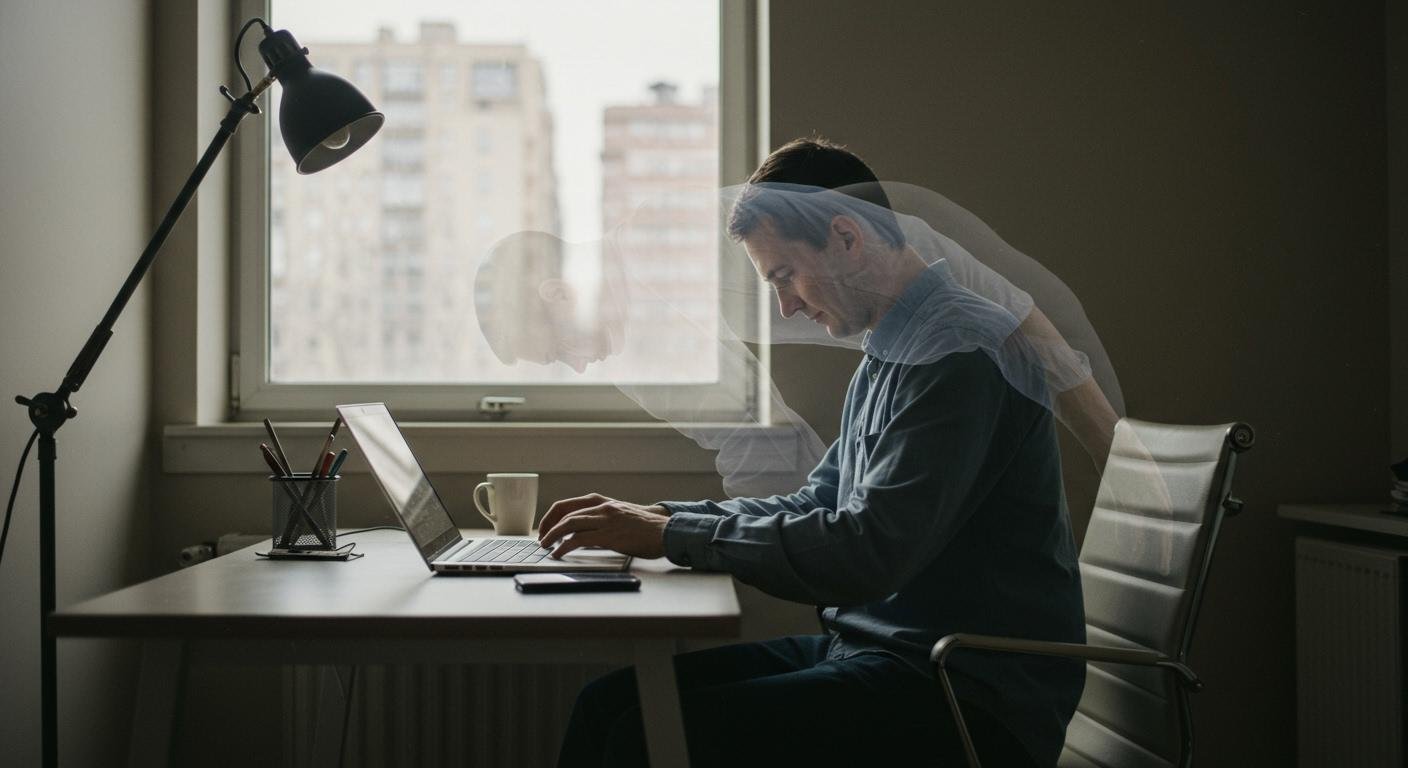
Find fast relief after sitting all day with three crucial stretches. These basic stretches are your antidote to stiffness: a hip flexor stretch, a chest opener, and a neck release. This simple stretching routine targets your tightest spots for immediate comfort.
Note: Taking action is vital. 🧑⚕️ Prolonged sitting increases your risk for serious issues like heart disease and certain cancers.
These stretching basics offer a powerful way to feel better fast.
The Effects of Prolonged Sitting
Your body is designed for movement. When you spend long periods of time sitting, certain muscles adapt to that position. This leads to stiffness, poor posture, and pain. Understanding these effects shows why a few simple stretches are so important.
Tight Hips and Hamstrings
Sitting keeps your hip flexor muscles in a shortened position. This can lead to tightness and limit your hip’s range of motion. Your hamstrings also lose mobility from being inactive.
- Tight hamstrings pull down on your pelvis.
- This pull alters your natural lower back curve.
- Your lower back then compensates for the restricted movement.
This compensation is a major cause of lower back pain. Research shows that discomfort in the low back and hips increases significantly after just two hours of sitting.
Rounded Shoulders and Chest
Slouching in a chair creates a cycle of muscle imbalance. Your chest muscles, specifically the pectorals, become short and tight. This pulls your shoulders forward into a rounded posture. Meanwhile, the muscles in your upper back, like the rhomboids, become weak. They can no longer hold your shoulder blades in their proper position. This imbalance not only affects your posture but also makes it harder to sit or stand up straight without strain.
Neck and Upper Back Strain
Looking down at screens creates a problem known as “tech neck.” This term describes the chronic neck and shoulder pain caused by poor posture while using technology. The forward head position strains your neck muscles. This can lead to several issues:
Common Symptoms of Tech Neck:
- Aching discomfort in the neck and shoulders
- Sharp, localized pain
- Headaches, especially if you use a computer for more than three hours daily
- Stiffness and reduced mobility
Proper stretching is a great way to counteract these effects, reduce pain, and keep muscles loose.
Stretching Basics: Warm-Ups and Best Practices
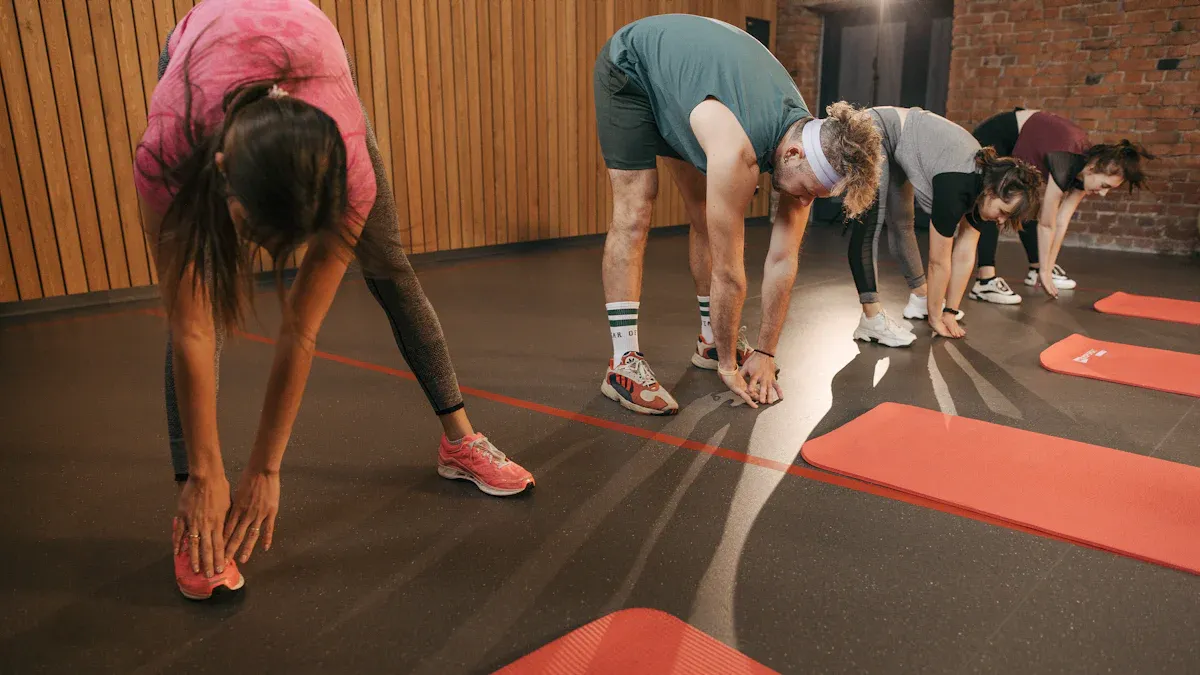
You can get the most out of your stretching routine by following a few simple rules. These stretching basics help you increase flexibility safely and effectively. Proper preparation and technique are key to preventing injury and achieving real relief.
The Importance of a Quick Warm-Up
You should never stretch cold muscles. A quick warm-up increases blood flow and prepares your body for movement. Think of your muscles like a rubber band.
A popular analogy for this is a frozen rubber band. If you attempt to stretch a rubber band to its full length without bringing it back to at least room temperature, it has a higher probability of breaking.
Your muscles work the same way. A simple five-minute warm-up makes a big difference. You can try marching in place, doing arm circles, or even taking a warm shower before you begin your basic stretches.
Gentle Movements and Proper Form
Proper form ensures your stretching is both safe and effective. Pay close attention to your body to avoid common mistakes. Follow these stretching basics for the best results.
| Do ✅ | Don’t ❌ |
|---|---|
| Breathe deeply and consistently. | Hold your breath. |
| Stretch to a point of mild tension. | Push into sharp pain. |
| Focus on the muscle you are feeling. | Bounce vigorously during the stretch. |
Bouncing can cause your muscles to tighten up, which is the opposite of what you want. Holding your breath also creates tension. Always listen to your body’s signals and move gently.
How Long to Hold Each Stretch
Holding your stretches for the right amount of time is crucial for improving flexibility. For most adults, the American College of Sports Medicine recommends holding a static stretch for 15 to 30 seconds. This gives your muscle tissue time to relax and lengthen. Older adults may benefit from holding stretches a bit longer, around 30 to 60 seconds. Remember, consistency is more important than intensity. A daily routine with proper hold times will yield the best long-term results.
The Best Stretches After Sitting All Day
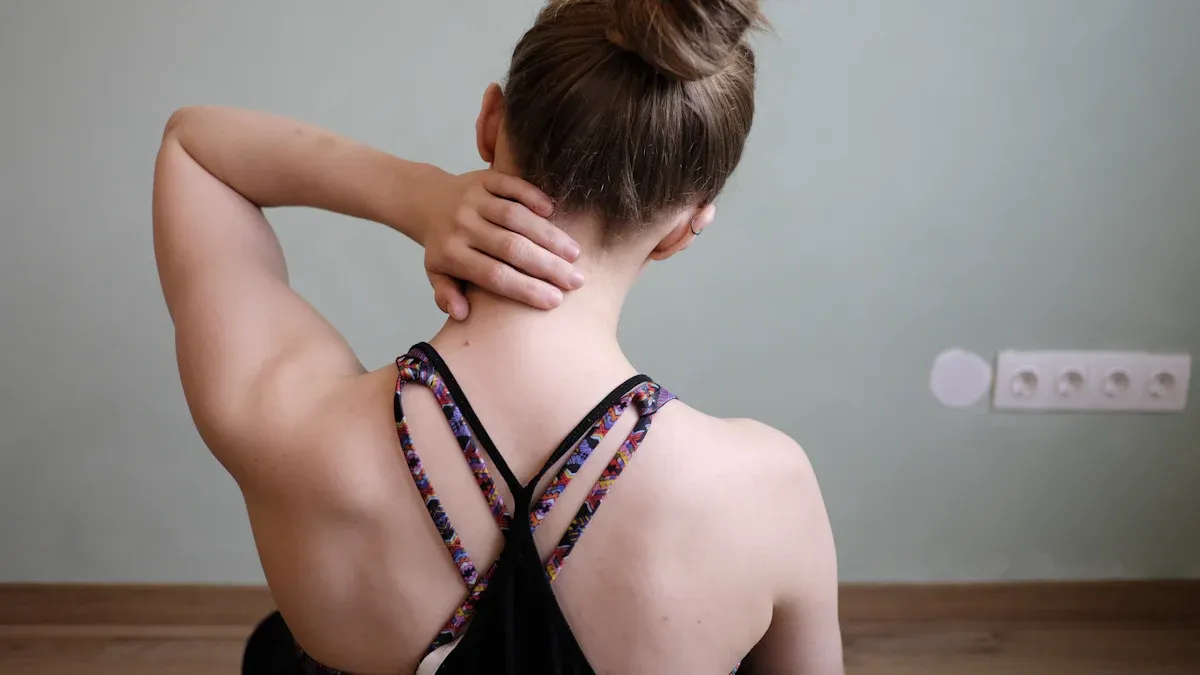
You can directly fight the stiffness from a day of sitting with a few targeted movements. This simple stretching routine focuses on the key areas that become tight and sore. These are the best stretches to release tension in your hips, spine, chest, and neck.
Standing Hip Flexor Lunge
This stretch targets the front of your hips, which become short and tight from being in a seated position. It specifically lengthens the iliopsoas muscle group, including the psoas major and iliacus.
- Stand up and take a large step forward with your right foot, creating a lunge position.
- Lower your left knee to the floor. You can place a towel under it for comfort.
- Keep your right knee directly over your right ankle. Do not let it go past your toes.
- Gently tuck your tailbone under and squeeze your left glute. This action rotates your pelvis backward and deepens the stretch.
- You should feel a gentle pull in the front of your left hip. Hold for 15-30 seconds.
- Switch legs and repeat on the other side.
| Feel it here: ✅ | Avoid this: ❌ |
|---|---|
| A gentle pull along the front of your back hip. | Arching your lower back. |
| A feeling of opening in your hip flexor. | Pushing your front knee past your ankle. |
| Engagement in your back glute muscle. | Leaning your torso too far forward or back. |
Seated Cat-Cow
The cat-cow movement is excellent for your spine. It improves flexibility and relieves tension in your back muscles. This gentle motion also increases blood flow to the spine, which helps reduce pressure on your discs. You can do this stretch right in your chair.
- Sit on the edge of your chair with your feet flat on the floor. Place your hands on your knees.
- Cow Pose: Inhale and gently arch your back. Push your chest forward and look up toward the ceiling.
- Cat Pose: Exhale and round your spine. Tuck your chin to your chest and pull your belly button in toward your spine.
- Continue moving between these two poses for 5-8 breaths.
| Feel it here: ✅ | Avoid this: ❌ |
|---|---|
| A gentle stretch through your entire spine. | Moving too quickly or forcing the movement. |
| A release of tension in your upper back. | Any sharp pain in your neck or back. |
| A stretch in your abdominal muscles (Cow). | Holding your breath during the movement. |
Doorway Chest Stretch
This stretch directly counteracts the rounded-shoulder posture that develops from hunching over a desk. It opens up your pectoral muscles in the front of your chest, which encourages better postural alignment.
- Stand in an open doorway.
- Raise your arms and bend your elbows to a 90-degree angle, like a goalpost.
- Place your palms and forearms on the doorframe.
- Step forward with one foot until you feel a stretch across your chest and the front of your shoulders.
- Keep your back straight and your chin level. Hold the stretch for 20-30 seconds.
- To increase the sensation, you can gently rotate your body away from one arm at a time.
| Feel it here: ✅ | Avoid this: ❌ |
|---|---|
| A broad stretch across your chest. | Shrugging your shoulders up toward your ears. |
| A gentle pull in the front of your shoulders. | Pushing into any sharp or pinching pain. |
| A feeling of opening up your posture. | Arching your back to lean forward. |
Seated Figure-Four
Your hips and glutes also need attention. The seated figure-four specifically stretches the piriformis muscle, a deep glute muscle that can contribute to hip tightness. Lengthening this muscle can help relieve irritation on the sciatic nerve and improve your hip’s range of motion.
- Sit tall in your chair with both feet on the floor.
- Lift your right ankle and cross it over your left thigh, just above the knee.
- Keep your right foot flexed to protect your knee joint.
- For a gentle stretch, sit up straight. To deepen it, slowly hinge forward at your hips with a flat back.
- Hold for 15-30 seconds, breathing deeply.
- Release and repeat on the other side.
| Feel it here: ✅ | Avoid this: ❌ |
|---|---|
| A deep stretch in your outer hip and glute. | Rounding your back as you lean forward. |
| A release of tension in your buttocks. | Forcing your knee down with your hand. |
| Improved mobility for crossing your legs. | Any pain in your knee joint. |
Upper Trap Neck Release
“Tech neck” puts a lot of strain on the muscles connecting your neck and shoulders. This simple neck release targets the upper trapezius muscle, providing relief from stiffness and headaches. Proper stretching here requires slow, gentle movements.
Safety First! ⚠️ Never force a neck stretch. Stop immediately if you feel any sharp pain, dizziness, or tingling. Move slowly and listen to your body.
- Sit in a chair with your feet flat on the floor and your spine straight.
- Gently tilt your right ear toward your right shoulder. Do not lift your shoulder to meet your ear.
- You should feel a stretch along the left side of your neck.
- For a deeper stretch, you can place your right hand on the side of your head and apply very light pressure.
- Hold for 20-30 seconds.
- Slowly return your head to the center and repeat on the left side.
| Feel it here: ✅ | Avoid this: ❌ |
|---|---|
| A gentle lengthening on the side of your neck. | Pulling on your head with force. |
| A release of tension from your ear to shoulder. | Tilting your head forward or backward. |
| Relief from upper shoulder tightness. | Any sharp, shooting, or pinching pain. |
Making Daily Stretching a Habit
Knowing the best stretches is only the first step. You need to build a consistent routine to see real, lasting benefits. These simple strategies help you make daily stretching an automatic part of your day.
Use ‘Stretch Alarms’
You can use technology to your advantage. Set a recurring alarm or calendar notification on your phone or computer. These digital prompts are effective, low-cost tools for building healthier habits.
Studies show that simple computer prompts can significantly reduce how long you sit each day. They serve as a behavioral cue, reminding you to get up and move with minimal disruption to your work.
Link to an Existing Routine
You can make a new habit stick by connecting it to one you already have. This method is called “habit stacking.” You simply anchor your new stretching routine to an established part of your day. This uses an existing habit as a trigger for the new one.
- After you brush your teeth, do two minutes of neck stretches.
- While your coffee brews, perform a standing hip flexor lunge.
- Right after you log off work, do a doorway chest stretch.
Start with a 5-Minute Daily Routine
Big goals can feel overwhelming. Start with a goal that is so easy you cannot say no. A 5-minute routine is achievable and helps build confidence. This small success creates a positive feeling, which makes you want to continue. Research shows that starting with small, simple goals makes you much more likely to stick with a new habit long-term.
Consistency Over Intensity
Doing a little bit every day is more powerful than doing a lot once a week. Your main goal is to make the behavior automatic. Consistent repetition is what builds a habit. Do not worry if you miss a day. Research shows that perfect adherence is not required. Just get back to your routine the next day. This consistent effort is the best way to increase flexibility and fight daily stiffness.
A few minutes of targeted stretching each day is a powerful tool. You can significantly reduce the negative effects of prolonged sitting. These simple stretching basics help you reverse common aches and improve your posture by focusing on your hips, chest, and neck.
Take Action Now! 🤸 Choose just one stretch from the routine and try it right now. Feel the difference for yourself and start your journey to a more comfortable workday.
FAQ
H3: Can I do these stretches at my desk?
Absolutely! You can perform many stretches right in your chair. The Seated Cat-Cow, Figure-Four, and Neck Release are perfect for a quick office break. They provide relief without you needing to leave your desk.
H3: What if I feel pain when stretching?
You should stop immediately if you feel any sharp pain. A stretch should create a feeling of mild tension, not a painful strain. Always listen to your body’s signals to prevent injury.
H3: How often should I stretch during the day?
You should aim to get up and stretch every 30 to 60 minutes.
- Even a short, 60-second break helps.
- It reduces stiffness and resets your posture.
- Consistency is more important than the length of each session.
H3: Do I need any special equipment?
No special equipment is necessary. Your body, a chair, and a doorway are all you need for this routine. This makes the stretches accessible anywhere, from your office to your home. 🧘