
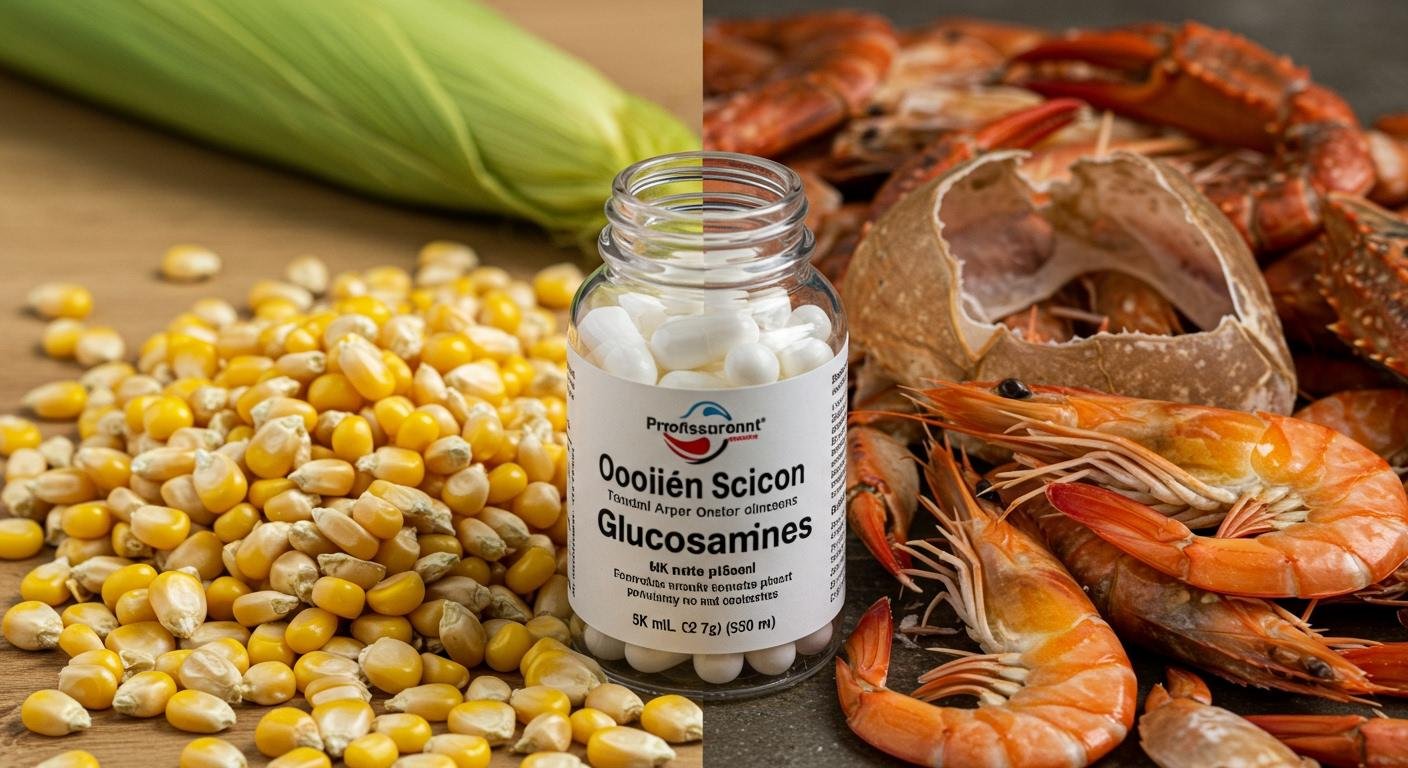
You may wonder about the difference between vegan and crustacean glucosamine. Your choice of glucosamine supplement has real impacts on your health. This is especially true if you have shellfish allergies, which affect up to 2.5% of adults. Your decision also involves your diet, ethics, and sustainability concerns. Understanding the key differences for joint health between vegan vs shellfish-derived glucosamine is vital for your well-being. This choice helps you find the right plant-based glucosamine or traditional glucosamine for your joint health needs.
Did You Know? 💡 The global market for glucosamine supplementation is massive. It was valued at over USD 871 million in 2022. Experts project it to reach over USD 1.3 billion by 2030, showing how many people seek joint support from a glucosamine supplement. This growth highlights the importance of knowing about options like vegan glucosamine for better health and safety.
What is Glucosamine?
Glucosamine is a natural compound found in your body. It plays a huge role in your joint health. Understanding what glucosamine does helps you choose the right supplement for your joint. Your body uses this compound to keep your cartilage healthy and your joint moving smoothly.
The Role in Joint Health
Your joint health depends on strong, cushioned cartilage. Glucosamine is a key building block for this cartilage. It helps your body create molecules that repair and protect each joint. Think of it as providing the raw materials your joint needs to stay in good shape.
The functions of glucosamine for your joint include:
- It helps your body produce glycosaminoglycans (GAGs), which are essential for cartilage repair.
- It stimulates the creation of hyaluronic acid, a substance that lubricates the joint.
- It helps cartilage hold water, keeping the joint cushioned and elastic.
- It can slow down the breakdown of cartilage, protecting your joint from further damage.
Proper glucosamine levels are vital for maintaining joint function and overall health.
Traditional Shellfish Sources
For many years, the main source of glucosamine was shellfish. Manufacturers extract crustacean glucosamine from the hard outer shells of crabs, shrimp, and lobsters. This shellfish-based glucosamine is the most common type you will find in many supplements. While effective, this crustacean glucosamine is not an option for everyone. It poses a risk for people with shellfish allergies and those following a vegan lifestyle.
The Rise of Vegan Glucosamine
The demand for allergy-free and ethical options led to the rise of plant-based alternatives. Vegan glucosamine offers a safe and effective solution. This plant-based glucosamine often comes from corn. The process involves fermenting the corn with a specific fungus. This fermentation creates a pure glucosamine derived from fungus. The final plant-based glucosamine product is completely free of animal ingredients. This makes plant-based glucosamine an excellent choice for your health if you are vegan or have allergies. This plant-based glucosamine ensures you can support your joint health without compromising your dietary or ethical beliefs.
Vegan vs Shellfish-Derived Glucosamine: A Core Comparison
When you look at a vegan vs shellfish-derived glucosamine supplement, the most significant differences are in how they are made and what that means for you. Understanding this core comparison helps you make an informed choice for your joint health and overall health. Let’s break down the sourcing, effectiveness, and formulation of each type of glucosamine.
Sourcing and Production
The journey of glucosamine from its raw state to your supplement bottle is vastly different for each source. Your choice impacts purity, environmental sustainability, and your personal dietary needs.
Shellfish-Based Glucosamine Production Manufacturers create traditional crustacean glucosamine through a multi-step chemical process. They use the chitin from crab, shrimp, and lobster shells. This process involves:
- Demineralization: The shells are soaked in hydrochloric acid to remove minerals.
- Deproteinization: The material is then boiled in a sodium hydroxide solution to remove proteins.
- Hydrolysis: Finally, the purified chitin is heated with concentrated acid to break it down into glucosamine hydrochloride, which is then crystallized.
This industrial method produces the shellfish-based glucosamine found in many products.
Vegan Glucosamine Production In contrast, you get plant-based glucosamine from a clean, controlled fermentation process. Producers use a specific fungus to ferment glucose from a plant source, typically non-GMO corn. This technology efficiently converts the corn’s glucose directly into a pure form of glucosamine. The result is a high-quality, slightly yellow powder that is completely free of animal byproducts, making it a great vegan option.
Efficacy and Scientific Backing
A key question for your joint health is about effectiveness. Is one source of glucosamine better than the other? The scientific consensus suggests that the source of the glucosamine is less important than its quality and formulation. This effectiveness comparison shows that both can support your joint.
From a molecular standpoint, the active glucosamine compound in a high-quality plant-based glucosamine supplement is identical to the one in crustacean glucosamine. Studies show that properly manufactured vegan glucosamine provides the same level of effectiveness for your joint. The real debate on efficacy often centers on the form of glucosamine used.
Sulfate vs. Hydrochloride (HCL) 🔬 Most clinical trials showing positive results for joint health used glucosamine sulfate. Research on glucosamine hydrochloride (HCL) is less extensive and provides mixed results. Some studies show HCL offers little benefit over a placebo. For this reason, many experts believe glucosamine sulfate has superior effectiveness for supporting your joint. When you choose a supplement, the form may be more critical to its efficacy than whether it is vegan or from shellfish.
Bioavailability and Formulation
Bioavailability refers to how much of a substance your body can absorb and use. Your body’s ability to use glucosamine is crucial for its effectiveness. While some early discussions suggested crustacean glucosamine might be absorbed better, advancements in production have closed this gap.
Modern plant-based glucosamine supplements are formulated to optimize absorption. This ensures your body gets the support it needs for each joint. The ultimate effectiveness of a glucosamine supplement often depends more on other factors:
- Dosage: Are you taking the clinically recommended amount?
- Form: Is it glucosamine sulfate or HCL?
- Complementary Ingredients: Does the formula include other joint-supporting compounds like MSM or Chondroitin?
This table provides a simple effectiveness comparison between vegan vs shellfish-derived glucosamine.
| Feature | Vegan Glucosamine | Crustacean Glucosamine |
|---|---|---|
| Source | Non-GMO Corn | Crab, Shrimp, Lobster Shells |
| Production | Clean Fermentation | Chemical Extraction |
| Allergy Risk | None | High risk for shellfish allergy |
| Dietary Fit | Vegan, Vegetarian, Kosher | Not for vegan or some diets |
| Effectiveness | Equal to shellfish form | Proven effective in sulfate form |
Ultimately, a high-quality plant-based glucosamine offers comparable effectiveness and bioavailability for your joint, with added benefits of safety and ethical alignment for a vegan lifestyle. Your focus should be on finding a reputable product with a proven formulation for your health.
Safety, Purity, and Allergies
When you choose a glucosamine supplement, your decision goes beyond effectiveness. You must consider the safety, purity, and dietary impact on your health. These factors are critical, especially if you have allergies or follow a specific lifestyle.
The Shellfish Allergy Risk
The biggest safety concern with traditional glucosamine is the risk of allergic reactions. If you have shellfish allergies, this is a major issue. Shellfish allergies are typically a reaction to a protein called tropomyosin, which is found in the muscle of crustaceans.
Safety Data Insight 🔬 While some safety data suggest that highly purified glucosamine from shells may not contain enough protein to cause a reaction, other reports show a different story. One Australian study found that over 70% of adverse incidents involving glucosamine were hypersensitivity reactions. For anyone with known shellfish allergies, the risk is not worth taking. Plant-based glucosamine is the only option that guarantees freedom from shellfish allergens, offering you peace of mind for your joint health.
Contaminants and Purity Levels
Purity is another key aspect of supplement safety. The source of your glucosamine directly impacts its cleanliness. Marine environments can contain heavy metals, which may accumulate in sea life. Supplements from these sources can sometimes contain contaminants.
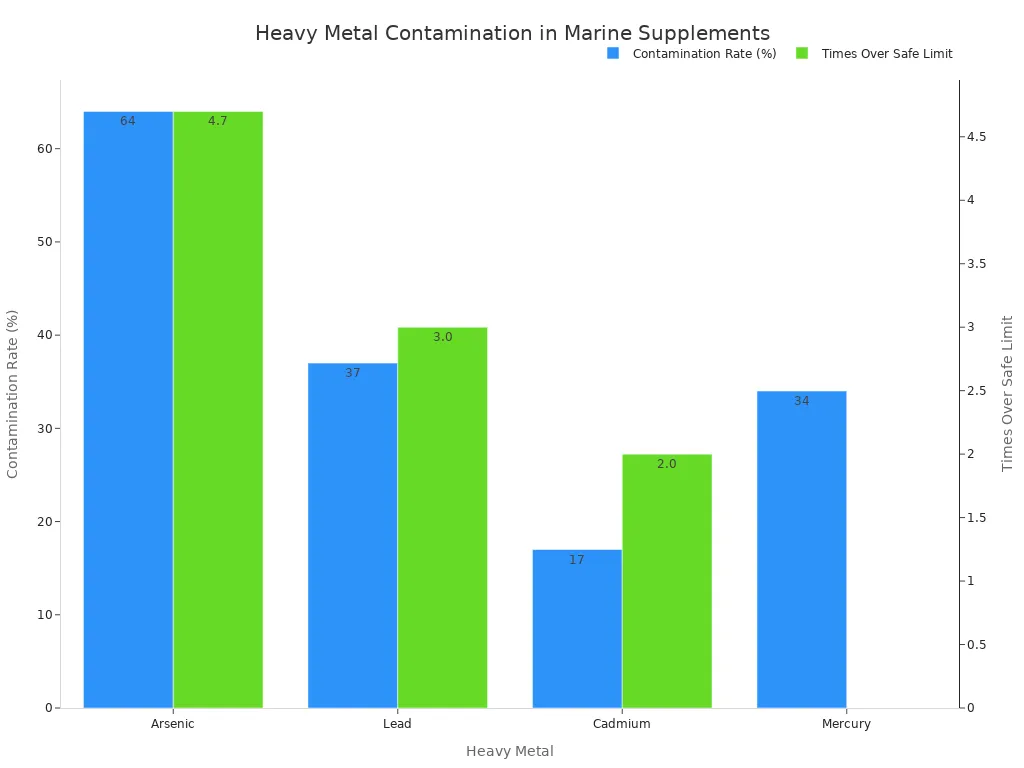
In contrast, you get plant-based glucosamine from a controlled fermentation process. This method generally results in a purer product with a lower risk of contamination. For optimal safety, you should look for a vegan glucosamine product derived from non-GMO corn. This ensures you get a high-quality glucosamine to support your joint without unwanted additives.
Dietary and Ethical Choices
Your dietary and ethical beliefs also play a role in choosing a glucosamine supplement. Shellfish-based glucosamine is not suitable if you follow a vegan or vegetarian diet. It is also not considered Kosher.
Plant-based glucosamine provides a perfect solution.
- It is 100% free of animal products, making it ideal for a vegan lifestyle.
- It aligns with vegetarian, Kosher, and Halal dietary laws.
- It allows you to support your joint health without compromising your personal values.
Choosing a vegan glucosamine ensures your supplement choice fits your ethical standards. This makes plant-based glucosamine a superior option for anyone with dietary restrictions or concerns about animal welfare.
The Environmental Impact of Plant-Based Glucosamine

Your choice of a glucosamine supplement also affects the planet. The production of plant-based glucosamine offers significant environmental benefits over traditional methods. When you choose a vegan glucosamine, you support a more environmentally sustainable system. This section explores the sustainability of sourcing and the carbon footprint of this modern glucosamine.
Sustainability of Sourcing
The origin of your supplement matters for long-term sustainability. Shellfish harvesting can disrupt marine ecosystems. In contrast, plant-based glucosamine comes from a renewable and sustainable source: corn. This agricultural crop can be replanted and managed responsibly.
Top manufacturers of vegan glucosamine take sustainability seriously. They seek third-party certifications to prove their commitment. When you look for a plant-based glucosamine product, you can find brands with credentials that verify their responsible practices.
Look for These Certifications ✅
- ISCC PLUS Certification: This ensures the glucosamine production meets global sustainability and carbon reduction standards.
- Non-GMO Certification: Certifiers like Eurofins International and SGS confirm that the glucosamine is made without genetically modified organisms, from the cornfield to the final product.
Choosing a certified vegan glucosamine ensures you get a high-quality product from a verified sustainable source. This makes plant-based glucosamine an excellent choice for the environmentally conscious consumer.
Carbon Footprint Comparison
The production process for plant-based glucosamine is cleaner and more efficient. It involves fermenting corn in a controlled lab environment. This method uses less energy and produces fewer waste byproducts compared to the chemical-heavy process for shellfish glucosamine.
Extracting glucosamine from shellfish requires extensive chemical treatments and energy. The entire supply chain, from ocean trawling to processing plants, carries a larger carbon footprint. The fermentation used for vegan glucosamine is a more direct and contained process. This makes plant-based glucosamine a better option if you want to minimize your environmental impact. Your decision to use a vegan glucosamine supports a healthier planet. This type of glucosamine is a responsible choice for your joints and the environment.
Your choice in the vegan vs shellfish-derived glucosamine debate comes down to your priorities. Vegan glucosamine offers comparable effectiveness for your joint with key advantages in safety, sustainability, and for a vegan lifestyle. For those with shellfish allergies or following a vegan diet, the plant-based alternative is the superior option for joint health. Since the effectiveness of any glucosamine can vary, you should choose a quality supplement.
Final Tip 💡 Always consult your doctor about glucosamine supplementation. Look for third-party tested brands with seals like USP to ensure the quality of your plant-based glucosamine or any glucosamine for your joint. This helps you confidently manage your joint health. The vegan vs shellfish-derived glucosamine choice is yours.
FAQ
Is vegan glucosamine as effective as shellfish glucosamine?
Yes, it is. The active glucosamine molecule is identical in both types. High-quality vegan glucosamine offers the same joint health benefits. Your body uses this plant-based glucosamine just as effectively. The source of the glucosamine does not change its core function.
What is the best form of glucosamine to take?
Many experts recommend glucosamine sulfate. Most successful clinical studies used this form of glucosamine. It appears to be more effective for joint support than glucosamine hydrochloride (HCL). You can find vegan glucosamine in the sulfate form.
How much glucosamine should I take daily?
A common daily dosage for glucosamine is 1,500 mg. You can take this amount all at once or split it into smaller doses.
Important Note 📝 You should always follow the dosage instructions on your supplement’s label. Consult your doctor to find the right amount of glucosamine for your needs.
Can you get glucosamine from food?
No, you cannot get a significant amount of glucosamine from your diet. The only food sources are shellfish shells, which people do not eat. This is why you need a supplement to get a therapeutic dose of glucosamine.
How long does it take for glucosamine to work?
You may need to take glucosamine consistently for several weeks to notice benefits. Some people feel improvements in 4 to 8 weeks. Results can vary for each person. Patience is key when starting a new glucosamine supplement.