

Have you ever wondered if calcium citrate can actually help with acid reflux or gerd? You might not get fast symptomatic relief like you do with some anti-reflux products, but this supplement could help cut down on how often reflux happens. People who take acid-suppressing drugs often see better symptom control when they add calcium citrate to their routine. If you want to know if this option makes sense for you, it’s smart to look at how it fits with your overall plan.
Acid Reflux and GERD
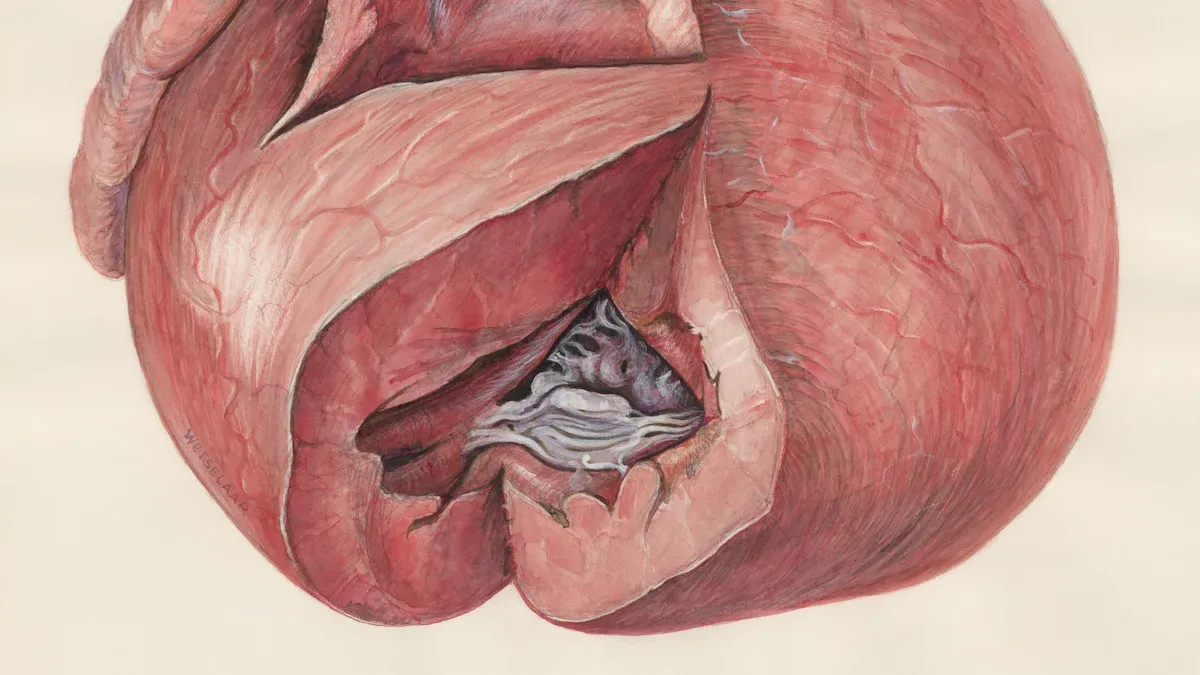
What Is Gastroesophageal Reflux Disease
You might hear people talk about GERD, but what does it really mean? GERD stands for gastroesophageal reflux disease. This condition happens when acid from your stomach moves up into your esophagus. You may notice a burning feeling in your chest or throat. GERD is not rare. In fact, it affects millions of people around the world.
Here’s a quick look at how common GERD is:
| Year | Global Prevalence (millions) | Age-Standardized Prevalence Rate (per 100,000) |
|---|---|---|
| 1990 | 441.57 | 9344.52 |
| 2019 | 783.95 | 9574.45 |
Did you know? In North America, almost 1 in 5 people have GERD. In the United States, about 30% of people will have GERD at least once in their life. Some countries, like Saudi Arabia and Iran, have even higher rates.
Common Triggers and Symptoms
You might wonder what causes GERD to flare up. Many things can trigger it. Foods high in fat or protein, poor eating habits, and eating too close to bedtime can all make GERD worse. Smoking and drinking alcohol also play a big role. Even your mental state can affect your symptoms.
| Dietary Factors | Lifestyle Factors |
|---|---|
| Protein and fat (positive) | Smoking (positive) |
| Poor eating habits (positive) | Alcohol consumption (positive) |
| Vegetarian diets (negative) | Mental state (positive) |
| Fruits and vegetables (negative) | |
| Vitamins and fiber (negative) | |
| Less than 3 hours between meals and sleep (negative) |
When you have GERD, you may notice these symptoms:
- Heartburn or a burning feeling in your chest
- Regurgitation, where food or liquid comes back up
- Nausea or feeling sick to your stomach
- Pain in your upper abdomen
- Feeling full quickly when you eat
Doctors suggest simple changes to help with GERD. Try raising the head of your bed, eating less fatty food, and waiting at least three hours after eating before lying down. Quitting smoking and cutting back on alcohol can also help you feel better.
How Calcium Citrate Works
Effects on the LES Valve
You might think that calcium citrate works like an antacid, but it does not. It does not give you quick acid neutralization or stop heartburn right away. Instead, it may help your body in a different way. The lower esophageal sphincter (LES) is a muscle at the bottom of your esophagus. This muscle acts like a gate, keeping stomach contents from moving back up. When the LES gets weak, acid reflux and GERD symptoms can happen more often.
Some studies show that calcium can make the LES tighter. This means the muscle closes better and keeps stomach acid where it belongs. Here is a look at how calcium affects LES pressure in different conditions:
| Condition | Basal LES Pressure (mm Hg) | Change in LES Pressure (mm Hg) | Gastrin Change (pg/ml) | P-value |
|---|---|---|---|---|
| Zollinger-Ellison Syndrome | 17.0 +/- 3.7 | +5.9 +/- 0.9 | +1580 +/- 1110 | < 0.001 |
| Duodenal Ulcer | 18.3 +/- 3.5 | +2.1 +/- 0.5 | +10 +/- 12 | > 0.10 |
You can see that calcium can raise LES pressure, especially in certain health conditions. This effect may help reduce how often acid reflux events happen. However, if you take too much calcium at once, it does not seem to change LES pressure much after a few hours. So, you should not expect instant acid neutralization or relief like you get from an antacid.
Calcium Citrate vs. Other Supplements
You have many choices when it comes to calcium supplements. The two most common types are calcium citrate and calcium carbonate. Both can help you get enough calcium, but they work differently in your body. Calcium carbonate acts as an antacid and gives quick acid neutralization. Many people use it for fast relief from heartburn. Calcium citrate does not work this way. It does not neutralize acid in your stomach. Instead, it helps by making the LES stronger over time.
If you have GERD or take acid-suppressing drugs, calcium citrate may be a better choice for you. Your stomach needs acid to absorb calcium carbonate. If you have low stomach acid or take medicines that lower acid, your body may not absorb calcium carbonate well. Calcium citrate does not need stomach acid for absorption. It works even if your stomach acid is low.
Here are some facts about calcium citrate and calcium carbonate:
- Calcium citrate dissolves well at higher pH levels.
- You can absorb calcium citrate even if you have low stomach acid.
- Studies show that your body absorbs about 20% more calcium from calcium citrate than from calcium carbonate.
- Calcium citrate is more bioavailable, so your body uses it better.
- Older adults and people with GERD often have low stomach acid. Calcium citrate is a good option for them.
Let’s compare the two supplements:
| Supplement Type | Cost Comparison | Bioavailability | Gastrointestinal Side Effects |
|---|---|---|---|
| Calcium Citrate | Higher cost | Higher | Fewer |
| Calcium Carbonate | Lower cost | Lower | More |
You might notice that calcium citrate costs more than calcium carbonate. However, it causes fewer stomach problems and your body absorbs it better. If you want to manage GERD and avoid extra stomach upset, calcium citrate could be the right pick.
Some recent studies focus on antacid use for heartburn relief. They show that calcium carbonate works fast for symptoms. Calcium citrate does not act as an antacid, so you should not expect quick acid neutralization. Instead, it may help reduce how often you have reflux events over time.
Tip: If you want fast relief, you might reach for an antacid. If you want to support your LES and manage GERD in the long run, calcium citrate may help you.
Using Calcium Citrate Supplements
Dosage and Timing
When you start using calcium citrate supplements for gerd management, you want to get the dose right. Most adults take between 1,900 and 3,800 mg of calcium citrate each day. You usually split this into two to four doses. This gives you about 800 to 3,200 mg of elemental calcium daily. Here’s a quick look at the usual amounts:
| Dosage Range | Frequency | Elemental Calcium (mg/day) |
|---|---|---|
| 1,900–3,800 mg | 2–4 times daily | 800–3,200 mg |
| Usual Max: 43,000 mg/day | 9,000 mg |
You do not have to take calcium citrate supplements with food. Unlike other calcium supplements, calcium citrate does not need stomach acid to work. You can take it any time of day. This makes it a great choice if you use medicines for gerd that lower your stomach acid. You do not have to worry about timing your calcium supplements with meals.
Tip: If you take other medicines, try to space out your calcium supplements by at least two hours. This helps your body absorb both the calcium and your other medications better.
Who Should Consider Calcium Citrate
Not everyone needs the same type of calcium supplements. Some people benefit more from calcium citrate supplements, especially if they have trouble with stomach acid. You might want to choose calcium citrate if you:
- Take proton pump inhibitors or H2 blockers for gerd management
- Have low stomach acid (achlorhydria)
- Are an older adult with absorption issues
- Have inflammatory bowel disease or other absorption disorders
Calcium citrate supplements work well for these groups because your body can absorb calcium even when stomach acid is low. If you use gerd medications or have trouble getting enough calcium from food, calcium citrate supplements can help you meet your needs and support your gerd management plan.
Safety and Side Effects
Potential Risks
You want to know what could go wrong when you take calcium citrate. Most people do fine, but some side effects can show up. You might notice an upset stomach or constipation. Sometimes, you could feel stomach pain or even have diarrhea. Here’s a quick look at the most common side effects:
| Side Effect |
|---|
| Constipation |
| Stomach pain |
| Upset stomach |
| Throwing up |
| Decreased appetite |
| Severe diarrhea |
| Abdominal pain |
Most side effects are mild. You can lower your risk by not taking more calcium than you need. If you have kidney problems, you should be extra careful. People with certain health issues, like phosphate imbalance or sarcoidosis, need to talk to a doctor before using calcium. Here’s a table with some conditions that need extra caution:
| Condition | Description |
|---|---|
| Phosphate Imbalance | High calcium and phosphate can cause problems in your blood vessels and kidneys. |
| Arrhythmias | Calcium affects your heart. If you have heart disease, you need to be careful. |
| Malabsorption Syndrome | Some stomach problems make it hard to absorb calcium. |
| Renal Dysfunction | Kidney issues can change how your body handles calcium. |
| Sarcoidosis | This can make your body absorb too much calcium. |
Drug Interactions
You might not realize how many medicines can interact with calcium. Some common drugs and supplements can change how your body uses calcium or how well your medicine works. Here are some you should watch out for:
- Lipitor (atorvastatin)
- Lyrica (pregabalin)
- Metoprolol Succinate ER (metoprolol)
- MiraLAX (polyethylene glycol 3350)
- Nexium (esomeprazole)
- Probiotic Formula (bifidobacterium infantis / lactobacillus acidophilus)
- Singulair (montelukast)
- Synthroid (levothyroxine)
- Tylenol (acetaminophen)
- Vitamin B Complex 100 (multivitamin)
- Vitamin B12 (cyanocobalamin)
- Vitamin B6 (pyridoxine)
- Vitamin C (ascorbic acid)
- Vitamin D2 (ergocalciferol)
- Vitamin D3 (cholecalciferol)
- Xanax (alprazolam)
- Zinc (zinc sulfate)
- Zyrtec (cetirizine)
If you take any of these, you should talk to your doctor or pharmacist. Sometimes, you just need to space out your calcium and other medicines by a few hours.
When to Seek Medical Advice
Most people can take calcium citrate without big problems. Still, you should know when to get help. Call your doctor if you have:
- Severe stomach pain or diarrhea that will not go away
- Signs of too much calcium, like confusion, muscle weakness, or irregular heartbeat
- Trouble breathing or swelling in your face or throat
If you have kidney disease, heart problems, or a condition that affects how your body handles calcium, always check with your doctor before starting a supplement.
You want to stay safe and get the most out of your calcium. If you ever feel unsure, reach out to a healthcare provider. They can help you decide if calcium citrate is right for you.
Calcium Citrate in GERD Management
Role in a Broader Treatment Plan
You might wonder how calcium citrate fits into your overall gerd management plan. Think of it as one piece of the puzzle. If you take proton pump inhibitors or other acid blockers, your body may not absorb calcium as well. Calcium citrate works better than calcium carbonate for people on these medicines because it dissolves easily, even when your stomach acid is low. You can use calcium citrate to help support your bones and possibly reduce how often you have reflux events.
Here’s how calcium citrate fits into gerd care:
- Doctors often recommend calcium citrate for people who use gastric acid inhibitors.
- Calcium carbonate needs acid to work, so it may not help as much if you take antacids.
- Some experts say more research is needed to prove that calcium citrate is always better than calcium carbonate.
- If you use proton pump inhibitors for a long time, adding calcium citrate can help prevent calcium malabsorption.
You should remember that calcium citrate does not replace other gerd treatments. You still need to follow your doctor’s advice, make healthy food choices, and avoid triggers. Calcium citrate can be an important part of your plan, especially if you need extra calcium because of your medicine.
When to Consider Other Options
Sometimes, calcium citrate may not give you the results you want. If you still have gerd symptoms, you can try other ways to feel better. Many people use a mix of lifestyle changes, diet, and other therapies.
Here are some options you can explore:
- Try raising the head of your bed.
- Lose weight if you need to.
- Avoid activities that make your gerd worse.
- Stay away from foods that trigger your symptoms.
- Follow a low-FODMAP diet if your doctor suggests it.
- Use vitamins or melatonin as part of your routine.
- Some people find relief with herbal treatments like peppermint oil or ginger.
- Traditional Chinese Medicine and hypnotherapy may also help some people.
Tip: You do not have to stick with just one approach. You can combine calcium citrate with other strategies to manage your gerd. Always talk to your healthcare provider before making big changes to your plan.
You now know that calcium citrate might help you cut down on acid reflux events, especially if you deal with GERD. It does not work like an antacid or give you fast relief, but it can support your long-term plan.
- Talk to your doctor before you start any new supplement.
- Think about using calcium citrate as one part of your GERD management.
Remember: A complete plan works best. Calcium citrate can be a helpful tool, but it is not the only answer.
FAQ
Can calcium citrate stop heartburn right away?
No, calcium citrate does not work like an antacid. You will not feel quick relief from heartburn. It may help reduce how often reflux happens if you use it regularly.
Should you take calcium citrate with food?
You do not need to take calcium citrate with food. Your body absorbs it well on an empty stomach or with meals. This makes it easy to fit into your daily routine.
Is calcium citrate safe for long-term use?
Most people can use calcium citrate safely for a long time. You should not take more than the recommended dose. Always check with your doctor if you have health problems or take other medicines.
Can you use calcium citrate if you take acid-suppressing drugs?
Yes! Calcium citrate works well if you use proton pump inhibitors or H2 blockers. Your body absorbs it even when stomach acid is low. This makes it a good choice for many people with GERD.