
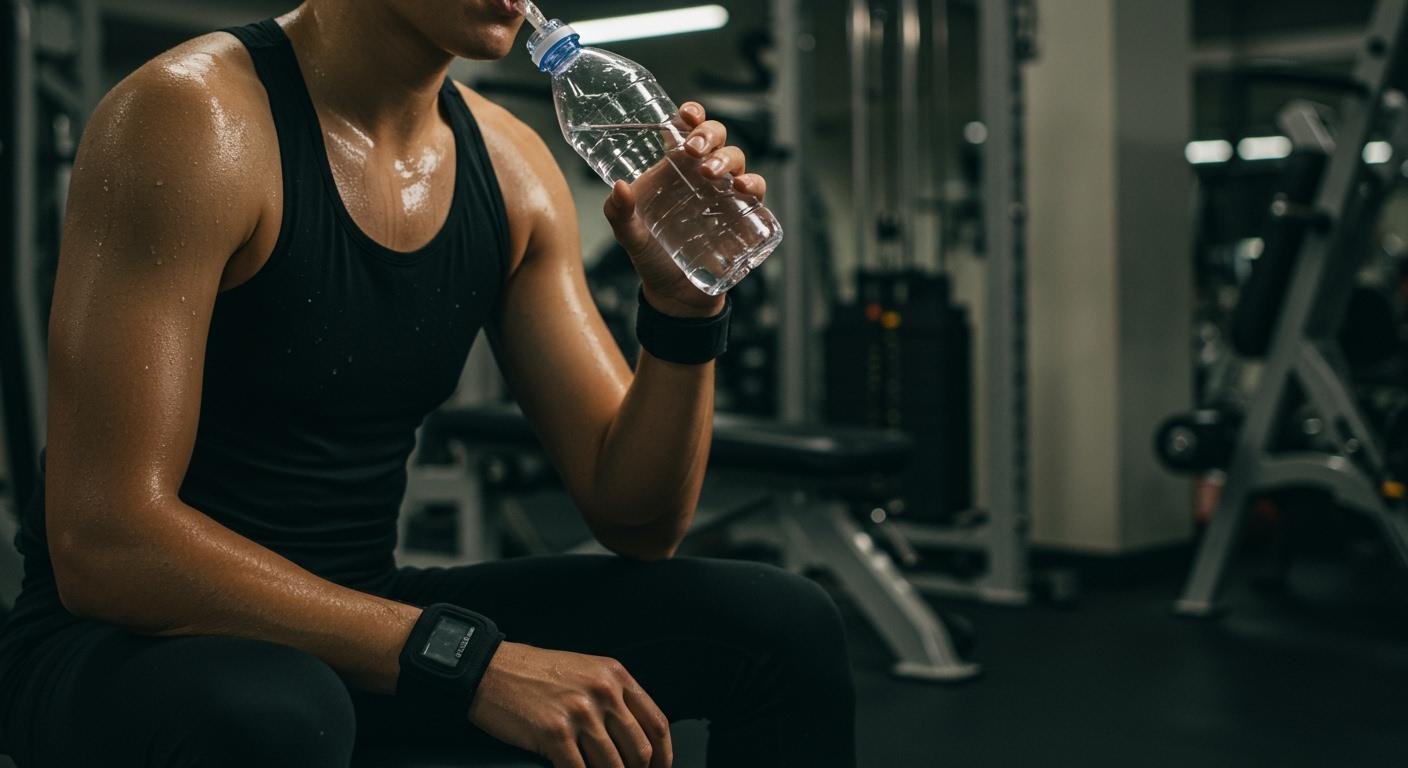
Mastering your gym hydration is a simple three-part strategy. You prepare before, sustain during, and recover after your workout. The secret to a better performance starts hours before you even grab a dumbbell. Your water intake is key. These hydration tips help you build a smart hydration plan. You can hydrate consistently and stay hydrated. This boosts your workout and speeds up recovery.
Did you know? 🤔 Losing just 2% of your body’s water can drop your strength by over 5% and high-intensity endurance by 10%. Proper hydration is a game-changer.
Pre-Workout Hydration
You wouldn’t start a road trip with an empty gas tank, so why start a workout on an empty water tank? Your pre-workout hydration strategy is the foundation for your success. It begins hours before you even step into the gym, setting the stage for peak performance and preventing that dreaded early fatigue.
The Importance of Starting Hydrated
Starting your workout in a properly hydrated state is non-negotiable. When you are even slightly dehydrated, your body has to work much harder. Mild dehydration can cloud your focus and make the workout feel tougher than it actually is, which can crush your motivation.
It’s not just in your head, either. Dehydration directly impacts your strength. Losing just 2% of your body weight in water can significantly reduce your power. For a 180-pound person, that’s only about 3.5 pounds of water loss. This drop in hydration primarily hurts your ability to produce maximum force, affecting your heavy lifts and powerful movements.
How Dehydration Hits Your Strength 🏋️
Performance Metric Fully Hydrated Dehydrated (2% loss) Squat Jump Height 39.3 cm 37.2 cm Peak Power Output 2351 W 2188 W This shows that starting with a full tank helps you jump higher and lift with more power. The goal is to be perfectly hydrated, not over-hydrated, as trying to drink too much water offers no extra benefits for keeping your body cool.
How Much Water to Drink Beforehand
Timing your water intake is everything. Chugging a bottle right as you walk into the gym won’t cut it. Your body needs time to absorb the fluid. To get it right, you need a two-step approach.
So, how much water to drink? Follow this simple plan to prevent dehydration and prime your muscles for your training session.
Your Pre-Workout Hydration Timeline ⏰
- 2-3 Hours Before Your Workout: Drink 17-20 ounces (about 500-600 ml) of water. This gives your body time to absorb what it needs and flush out any extra.
- 20-30 Minutes Before Your Workout: Drink another 8 ounces (about 240 ml) of water. This tops off your fluid levels right before you start sweating.
Water vs. Electrolyte Drinks
For most gym sessions, plain water is your best friend. If your workout is under 60 minutes and at a moderate intensity, you don’t need anything extra. Water does the job perfectly.
However, there are specific times when adding electrolytes before a workout can give you an edge. Electrolytes, especially sodium, are minerals that help your body hold onto fluid more effectively. Sodium signals your kidneys to hold onto water, which keeps you hydrated for longer.
Consider an electrolyte drink if you:
- Are planning a long or intense workout (over 60-90 minutes).
- Tend to be a heavy or salty sweater (you see white stains on your clothes).
- Are exercising in very hot or humid weather.
For serious athletes preparing for a demanding event, adding electrolytes can be a game-changer for performance. But for your average day at the gym, your best bet is to simply drink water.
Mid-Workout Water Intake
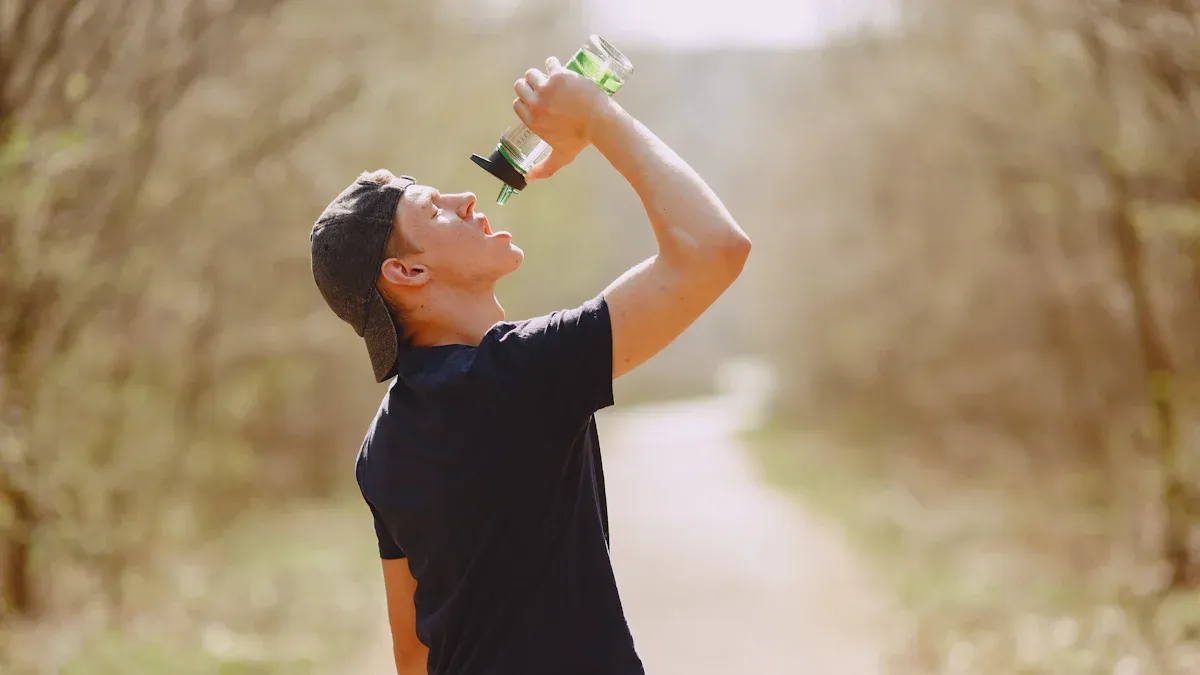
You’ve started your workout hydrated, and now the real work begins. As you start to sweat, your focus needs to shift from preparation to maintenance. Your mid-workout water intake strategy is all about consistency. It keeps your engine running smoothly, prevents your energy from crashing, and helps you push through that last tough set.
Sustaining Energy and Function
Drinking water during a workout does more than just quench your thirst. It directly impacts your body’s ability to function. When you sweat, you lose fluid, and this water loss can quickly hurt your performance. Even a small amount of dehydration forces your heart to work harder to pump blood. This is called cardiovascular drift.
How Dehydration Strains Your Heart ❤️🩹
Your heart rate naturally rises during exercise, but dehydration makes it climb even faster. This table shows how your heart responds as you become more dehydrated.
Hydration Status Heart Rate Increase (beats/min) Pumping Volume Decrease (ml/beat) Mildly Dehydrated (0.9%) 10 9 Moderately Dehydrated (2.8%) 18 18 As you can see, the more dehydrated you get, the faster your heart beats and the less blood it pumps with each beat. This makes your workout feel much harder than it should.
It’s not just your heart that suffers. Your brain and muscles feel it, too. Research shows that losing just 1-2% of your body weight in sweat can negatively affect your coordination and mood.
- Studies on athletes show that dehydration hurts skill-based activities like basketball shooting and cricket bowling accuracy.
- Your balance and stability can also decline, increasing your risk of injury during complex movements.
- Mild dehydration can even make you feel more tired, confused, and irritable, which can kill your motivation to finish your training session strong.
The Sip-and-Go Rule
So, how do you prevent this from happening? The key is to sip, not chug. Gulping down a huge amount of water at once can lead to stomach cramps and bloating. Your body simply can’t absorb it all that quickly.
Instead, you should aim for small, consistent sips throughout your session. This strategy helps you maintain hydration and replace the fluid you’re losing through sweat in near real-time. When you sweat, the fluid comes from your blood plasma. Sipping steadily helps keep your blood volume stable, so your heart doesn’t have to work overtime.
Your Mid-Workout Sipping Plan 💧
Aim to drink 5-8 ounces (about 150-250 ml) of water every 15-20 minutes during your workout. This is the “sip-and-go” rule. It matches your body’s absorption rate and prevents you from feeling waterlogged. Keep your water bottle handy and make it a habit to take a few sips between sets.
Choosing Your Workout Drink
For most people, plain water is the perfect choice for hydration during a workout. If your session is 60 minutes or less and at a moderate intensity, water is all you need to stay hydrated and perform well.
However, if your workout is longer or more intense, you might benefit from a drink with some extras.
- Workouts over 60-90 minutes: For longer endurance training, a sports drink can help. These drinks contain carbohydrates for energy and electrolytes to help replace what you lose in sweat.
- High-intensity sessions: If you’re doing a very intense workout (like HIIT or heavy lifting for over an hour), a carbohydrate-electrolyte drink can give you a performance boost.
- Hot and humid conditions: If you’re sweating a lot, a drink with electrolytes can help your body hold onto fluid more effectively.
Many people think electrolytes are the key to preventing muscle cramps, but the science is a bit more complicated. While a carbohydrate-electrolyte drink may help delay the onset of cramps for some people, studies show it doesn’t always prevent them. Dehydration and electrolyte loss are not the only culprits behind cramps.
Pro Tip for Endurance Athletes 🏃♀️
If you’re training for a long event, look for a sports drink that contains both glucose and fructose. This combination of sugars uses two different pathways for absorption in your gut. This allows your body to get more energy faster and reduces the risk of stomach issues. This dual-fuel source can improve endurance performance by up to 9%.
Post-Workout Rehydration and Recovery
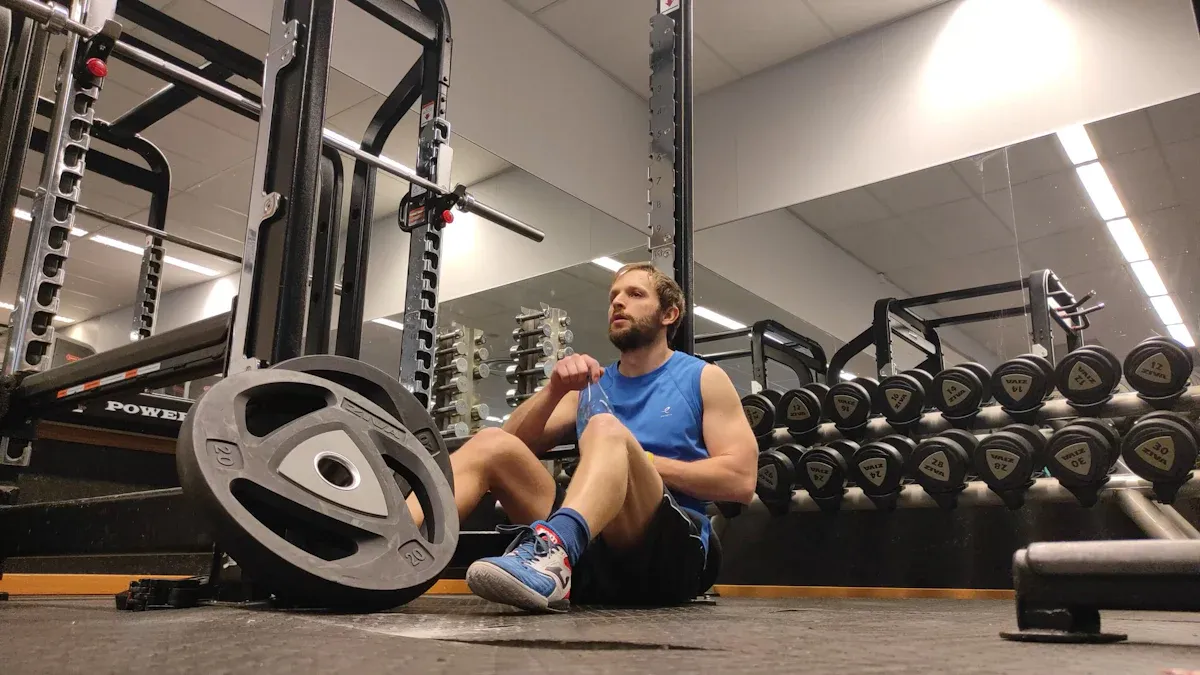
You crushed your workout, but the job isn’t done yet. What you do after a workout is just as important as the training itself. Your rehydration recovery strategy is key to bouncing back stronger and getting the most out of your hard work.
Why Replenishment is Crucial
Replenishing your fluids does more than just quench your thirst. It kickstarts your body’s recovery process on a cellular level. When you finish a tough workout, your body is in a state of stress. Proper hydration helps bring it back to balance.
Beat Post-Workout Stress! 🧘
Did you know that dehydration can keep your stress hormones elevated? Studies show that individuals with low fluid status have higher levels of cortisol, the body’s main stress hormone. Quickly restoring your hydration after a workout helps lower these cortisol levels, allowing your body to shift from a stressed state into recovery mode faster.
Restoring Fluid and Electrolytes
During your workout, you lose more than just water through sweat; you also lose essential minerals called electrolytes. To truly restore fluid balance, you need to replace both. While sports drinks are an option, you can also get these minerals from whole foods.
Here are some great food choices to help you replenish electrolytes naturally:
- For Sodium: Salted nuts, pretzels, or olives.
- For Potassium: Bananas, avocados, spinach, and potatoes.
- For Magnesium: Dark chocolate, almonds, and pumpkin seeds.
- For Calcium: Yogurt, milk, and broccoli.
Pairing these foods with plenty of water gives your body the complete package it needs for optimal recovery.
The 150% Replenishment Rule
For serious athletes or anyone who sweats a lot, knowing exactly how much to drink is a game-changer. The best way to replenish lost fluids is to follow the 150% rule. This ensures you fully restore fluid balance and account for any continued fluid loss after you stop exercising.
Your Simple Rehydration Formula ⚖️
- Weigh yourself right before and right after your workout.
- For every 1 pound (or ~0.5 kg) of body weight you lost, drink 20-24 ounces (or 600-720 ml) of water or an electrolyte beverage.
This targeted fluid intake is the most effective way to combat dehydration and accelerate your recovery. This precise water intake plan helps you get ready for your next session.
Bonus Tips for Better Hydration
Staying on top of your hydration doesn’t have to be a chore. You can use some simple tools and tricks to make it easier. These bonus hydration tips will help you stay hydrated and support your overall nutrition goals.
Tools to Help You Stay Hydrated
Technology can be a great partner in your hydration journey. Smart water bottles and apps take the guesswork out of your daily water intake.
Smart Bottles to the Rescue! 💡
A smart bottle like the HidrateSpark uses a sensor to track how much water you drink. It even glows to give you a visual reminder to take a sip! The bottle connects to an app on your phone, making it easy to see your progress.
You can also use a mobile app to track your sips. Many apps offer helpful features to keep you on track.
- Aquaalert: Water Tracker: This app gives you a cool graphic of your daily progress and has an automatic bedtime mode.
- Water Time Pro: This one automatically calculates your needs and lets you track other drinks like coffee and tea.
- Hydrate Daily: This app lets you set custom goals and tracks your averages over time.
The Simple Urine Color Check
Your body gives you a simple, built-in signal to check your hydration status: the color of your urine. A quick glance can tell you if you need to drink more. For the best results, you should compare your urine color to a validated chart.
What’s a Validated Chart? 🤔
It’s a color chart that scientists have tested and proven to be accurate. Using one helps you make a reliable guess about your hydration.
| Chart Name | Color Range | What It Means |
|---|---|---|
| Armstrong’s Chart | 1-3 (Pale Yellow) | You are well-hydrated. |
| Wardenaar’s Chart | 4-5 (Honey/Amber) | You are dehydrated. |
| Either Chart | 6-8 (Dark Brown) | You are severely dehydrated. |
Aim for a pale yellow color, like lemonade. If it’s darker, it’s time to drink some water.
Hydrating Foods to Supplement Intake
Did you know you can eat your water? Many fruits and vegetables are packed with water and can help you stay hydrated. Including these foods in your diet is a great way to boost your hydration and improve your nutrition. Good nutrition is key for recovery.
Here are some excellent choices with high water content:
- Fruits: Watermelon, strawberries, and grapefruit.
- Vegetables: Cucumber, celery, and lettuce (iceberg is 96% water!).
These foods do more than just provide hydration. They are also full of electrolytes like potassium and magnesium. This makes them a fantastic part of your overall nutrition plan.
You now have the complete strategy for better gym hydration. It’s all about preparing before, sustaining during, and boosting recovery after your workout. Following a smart water plan is a simple way to unlock better performance. In fact, athletes with a set hydration plan saw their standing long jump improve by over 4 inches! This simple habit makes every workout more effective.
You have the ultimate hydration playbook. Now, put it into practice and feel the difference in your performance and recovery! 🚀
FAQ
Can I drink too much water?
Yes, you can. Drinking too much water too quickly can lead to a dangerous condition called hyponatremia. Your kidneys can’t flush out the excess water fast enough. Stick to the recommended amounts and sip steadily to stay safe and hydrated.
Does coffee or tea count towards my water intake? ☕
They can! Caffeinated drinks used to be considered dehydrating, but that’s a myth. Your body still absorbs the water from them. Just don’t rely on them as your only source of fluids. Plain water is always your best choice for pure hydration.
What if I forget to drink water before my workout?
Don’t panic. Start sipping water immediately. Take small, frequent sips during your warm-up and between your first few sets. You might not perform at your absolute best, but you can prevent serious dehydration. Make it a habit for next time!
Is cold water better than room temperature water? 🥶
Cold water can be more refreshing and may help you drink more. Some studies show it helps keep your core body temperature lower during exercise. However, the most important thing is that you drink enough water, so choose the temperature you prefer.